

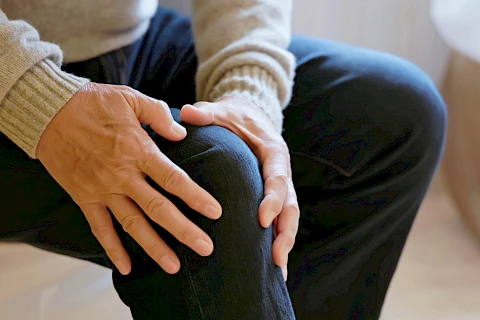
As temperatures drop, seniors with chronic pain may find their symptoms worsening. Cooler weather can pose specific challenges for managing conditions like arthritis and fibromyalgia. For caregivers, understanding these changes and being proactive in managing senior chronic pain is essential. Senior Helpers will outline strategies to help keep seniors comfortable and active during the colder months.
The Impact of Cooler Weather on Chronic Pain
Temperature changes can significantly affect senior chronic pain. When it's cold, joints and muscles can become stiff and sore, often exacerbating conditions like arthritis and fibromyalgia. The drop in barometric pressure that accompanies cold weather can also cause joint tissues to expand, leading to increased pain and inflammation.
Strategies for Managing Pain in Cooler Weather
Maintaining a warm environment is crucial in managing senior chronic pain during cooler weather. Ensure the home is heated to a comfortable level, and consider using space heaters in frequently used areas. This simple step can help prevent stiffness and soreness.
Heat therapy is an effective method for reducing pain and enhancing mobility. Consider using heating pads on problematic areas or suggest a warm bath to soothe aching muscles and joints. These measures can provide immediate relief from the discomfort caused by cold weather.
Gentle exercise helps keep joints flexible and muscles strong. Encourage seniors to participate in regular activities such as walking, stretching, or tai chi. Even a short, daily routine can make a significant difference in managing senior chronic pain. However, remember to consult a doctor before letting seniors start a new fitness routine.
Tips for Keeping Seniors Comfortable
Layering clothing is an effective way to retain body heat. Encourage seniors to wear multiple layers, starting with a breathable base layer, adding insulation, and finishing with a windproof outer layer. This approach helps them adapt to varying indoor and outdoor temperatures with ease.
Good nutrition and hydration are also vital in managing senior chronic pain. Ensure seniors consume a balanced diet rich in anti-inflammatory foods such as leafy greens, fish, and nuts. Encourage them to drink enough water daily, even if they feel less thirsty in cooler weather.
A cozy home contributes to a senior's comfort and well-being. Ensure their living space is free of drafts, and use soft, warm linens. Ensure pathways are clear and non-slip rugs cover slippery floors to lower the risk of falls.
Encouraging Activity Despite Cooler Temperatures
Encourage seniors to stay active indoors, where it's warm. Activities such as chair yoga, light weightlifting, or dancing to their favorite music can be fun and beneficial. These activities not only support physical health but also boost morale and energy levels.
Social engagement is also vital for emotional health and can distract from senior chronic pain. Encourage family visits, phone calls, or participation in virtual group activities. Keeping a good mental state is essential for managing physical ailments.
If seniors enjoy outdoor activities, help them adapt these for cooler weather. Encourage walking during the warmer parts of the day, ensuring they dress appropriately. They can also take breaks indoors to warm up, maintaining their connection with nature while staying comfortable.
Contact Senior Helpers for Comprehensive Care Services
Managing senior chronic pain requires attention and adaptability, especially as cooler weather sets in. By creating a warm environment, providing proper clothing and nutrition, and encouraging safe physical and social activities, caregivers can significantly improve seniors’ comfort and quality of life. Proactive and attentive care is key. For more personalized support and resources, click here to find a Senior Helpers location near you.