

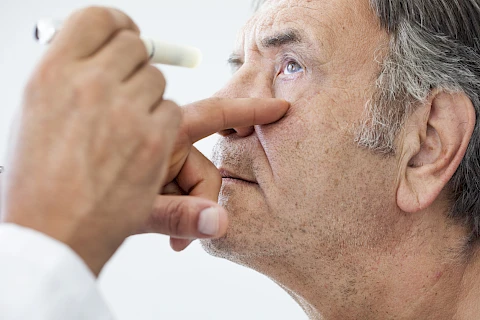
October marks Blindness Awareness Month, a time dedicated to raising awareness about vision health. For seniors, recognizing the signs of fading eyesight is crucial, as these changes can affect their safety and quality of life.
At Senior Helpers, we understand the importance of supporting seniors and their caregivers with the best possible care. Being aware of how vision changes with age is the first step toward helping seniors maintain their independence and well-being.
Vision Changes in Seniors
Various factors can contribute to fading eyesight in seniors. Natural aging can cause lenses in the eyes to harden and become less flexible, making it more difficult to focus on close objects. Additionally, seniors may experience dry eyes or less ability to adapt to changes in lighting.
Several medical conditions can also affect vision. Cataracts, which cause the lens of the eye to become cloudy, are common in seniors. Glaucoma, which damages the optic nerve, and age-related macular degeneration (AMD), which affects the retina, are other conditions that can significantly impact sight.
7 Signs of Fading Eyesight in Seniors
Caregivers must be vigilant and recognize signs of deteriorating or fading eyesight in seniors. Here are some indicators to watch for:
- Clumsiness or increased accidents: Seniors might bump into furniture or trip over objects more frequently.
- Difficulty reading or seeing small print: Struggling with books, newspapers, or even labels can signal vision problems.
- Frequent headaches, especially while reading: Persistent headaches might occur if seniors are straining their eyes.
- Squinting or tilting the head to see better: This may suggest they're trying to adjust their view for clearer sight.
- Trouble recognizing faces or objects at a distance: Difficulty identifying faces or distant objects could signify a decline in vision.
- Increased sensitivity to light or glare: Bright lights might cause discomfort, forcing seniors to squint or look away.
- Changes in color perception: Colors might appear faded or less distinct, which can be a subtle sign of vision changes.
If you notice any of these signs, take action. Regular eye exams can help detect issues early. Schedule an appointment with an optometrist for a thorough evaluation of seniors’ eye health. If vision changes seem severe or sudden, consult a doctor to rule out other health issues.
Assisting seniors with daily activities can also be helpful. Encourage the use of magnifying glasses for reading, ensure good lighting in their homes, and minimize potential hazards such as loose rugs. These small adjustments can make a significant difference in their day-to-day life.
Senior Helpers Provides Senior Care and Support Services
Recognizing and addressing fading eyesight in seniors is vital for their safety and independence. Early detection of vision problems can lead to effective interventions and a better quality of life.
For personalized senior care services, click here to find a Senior Helpers location near you. By working together, we can ensure seniors enjoy a high quality of life with clarity and confidence.