

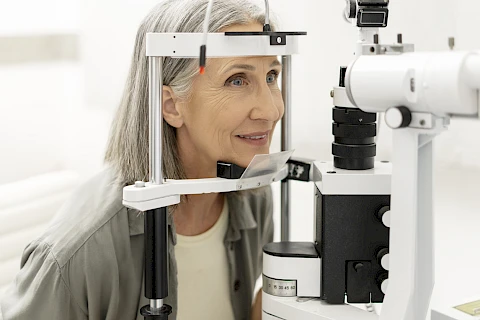
One important yet often overlooked aspect of senior health is eye care. Vision plays a significant role in quality of life, from reading and hobbies to recognizing faces and navigating the world safely. Unfortunately, age increases the risk of eye conditions that can impair vision. By ensuring regular eye screenings, caregivers can help detect and address these issues early, preserving seniors’ eyesight and enhancing their quality of life. Senior Helpers will break down what caregivers need to know about supporting eye health in seniors.
What to Know About Age-Related Eye Conditions
Many age-related eye conditions are common among seniors, but the good news is that regular eye screenings can catch these issues early enough to treat them effectively. Some of the most common conditions include:
- Cataracts: These occur when the lens of the eye becomes cloudy, leading to blurry vision. It's like looking through a fogged-up window. Fortunately, surgery is highly effective.
- Glaucoma: Known as the "silent thief of sight," glaucoma damages the optic nerve and can lead to blindness if untreated. Regular eye screenings for seniors can catch this condition early.
- Age-Related Macular Degeneration (AMD): This condition affects the central part of the retina, leading to loss of central vision. While it doesn't cause total blindness, it can interfere with daily activities.
- Diabetic Retinopathy: This condition damages the blood vessels in the retina. Early detection is crucial to prevent severe vision loss.
Many of these issues progress slowly, and seniors may not notice changes until significant damage has occurred. Regular eye exams help catch problems before they worsen.
Recommended Frequency of Eye Exams
Eye exam frequency can depend on several factors, but there are general guidelines to follow. For seniors aged 65 and older, comprehensive eye screenings are recommended every one to two years.
However, certain factors may require more frequent visits. If there's a family history of eye conditions like glaucoma or AMD, or if the senior has pre-existing conditions such as diabetes, annual or even more frequent check-ups might be necessary. Caregivers should discuss any concerns with an eye care professional who can tailor a plan based on seniors’ specific needs.
Preparing Seniors for Eye Screenings
Preparing for eye screenings can reduce anxiety among seniors and create a more positive experience. Caregivers can help by discussing the process with their loved ones, explaining what will happen during the exam. This knowledge can significantly reduce stress. Ensuring seniors wear comfortable clothing and bring any necessary mobility aids is also important for their comfort during the appointment.
Caregivers should also take care of paperwork, bringing any pertinent medical records or a list of current medications. Maintaining an eye health history provides valuable insights for the doctor and can help track changes over time.
Contact Senior Helpers for Support With Senior Eye Health
Regular eye screenings enable early detection and treatment of common eye conditions. These screenings help preserve not only vision but also the quality of life for seniors, allowing them to continue enjoying their favorite activities and maintain independence.
As a caregiver, prioritizing eye health is a key part of supporting your loved ones’ well-being. For personalized senior care services, click here to find a Senior Helpers location near you. We are ready to assist you and your loved one!