

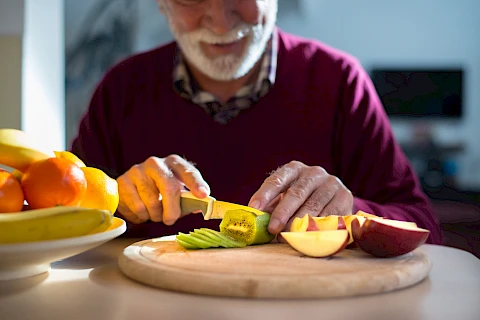
Maintaining a balanced diet becomes even more crucial with age. Ensuring seniors receive proper nutrition can significantly impact their overall health and well-being. Fruits and vegetables are essential components of senior diets, providing a wealth of vitamins, minerals, and antioxidants vital for maintaining health.
Senior Helpers will explore strategies to help caregivers incorporate these essential foods into senior diets. We will cover meal planning tips, straightforward recipes, and techniques to make fruits and vegetables more appealing, all while addressing common challenges like dental problems and decreased appetite.
The Nutritional Needs of Seniors
Age-related changes can alter seniors' sense of taste and smell, decrease their appetite, and make chewing difficult due to dental issues. Despite these challenges, incorporating fruits and vegetables into senior diets is vital. These foods support digestion, boost heart health, and can help reduce the risk of chronic diseases.
Strategies for Caregivers to Increase Produce Intake
Caregivers can employ several strategies to increase the amount of fruit and vegetables in a senior's diet. Creative meal planning is key, such as adding spinach or kale to omelets or tossing extra veggies into a pasta sauce. For daily meals, consider adding a side salad to each meal or blending fruits and vegetables into smoothies for a refreshing treat.
To overcome barriers, serve softer foods like mashed potatoes, roasted vegetables, or fruit purees for seniors struggling with dental issues. For seniors with decreased appetite, offer small, frequent meals to boost overall intake.
Easy and Delicious Recipes
Creating nutritious and delicious meals is key to increasing seniors' consumption of fruits and vegetables. Simple recipes such as stir-fry or hearty minestrone offer easy ways to incorporate several vegetables into a single dish.
For snacks, offer apple slices with peanut butter or carrot sticks with hummus to create appealing, healthy options. To enhance visual appeal in senior diets, serve meals with a variety of colorful fruits and vegetables. This also serves to make meals more enticing!
Making Produce More Appealing
Enhancing the flavor and texture of fruits and vegetables can make them more attractive to seniors. Roasting vegetables can bring out their natural sweetness, while adding herbs and spices can enhance flavor without extra calories. Gradually introduce unfamiliar fruits and vegetables to help seniors discover new favorites. Encourage seniors to help with meal prep, which may increase their interest and willingness to try new dishes.
Addressing Common Barriers
For seniors with dental issues, choose softer foods or those that can be cooked until tender. Steam vegetables or offer soft fruits such as bananas and berries. To stimulate appetite, enhance meals with flavors like lemon juice or fresh herbs, and ensure a pleasant dining environment. Establishing a routine with regular meal times and controlled portions can help maintain healthy eating habits.
Contact Senior Helpers for Custom Care and Support
Incorporating more fruits and vegetables into senior diets can lead to improved health and increased vitality. By using creative meal planning, simple recipes, and strategies to overcome common barriers, caregivers can help integrate these healthy foods into seniors' diets. Encourage your loved ones to embrace a colorful plate and enjoy the health benefits that come with it.
For personalized support and strategies tailored to your loved one's needs, contact us at Senior Helpers. Click here to find a location near you and start receiving custom support today!