

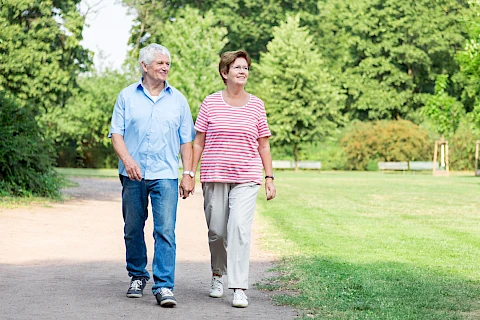
A short stroll after eating might seem like a small act, but it can have a big impact on senior wellness. Regular movement is essential for older adults to maintain their health, independence, and quality of life.
Learn the many advantages of light walking following meals—especially for seniors and their caregivers. From supporting digestion and blood sugar control to boosting mood and physical function, this simple habit offers widespread benefits.
The Broader Benefits of Daily Walks
Walking is one of the most accessible and effective ways to stay active. When seniors include consistent walking sessions in their daily routine, they experience improved cardiovascular health, lower blood pressure, and a reduced risk of heart disease.
Beyond physical benefits, walking supports emotional well-being. It can uplift the mood, ease anxiety, combat feelings of isolation, and even enhance sleep quality. Regular walks also help maintain joint flexibility and mobility, reducing stiffness and lowering the risk of falls. As always, seniors should check with their doctor before beginning a new fitness regimen.
Why Light Movement After Meals Matters
One of the most impactful times for a walk is shortly after eating. Gentle physical activity at this time helps regulate blood sugar levels—especially important for seniors managing diabetes or insulin resistance. Taking a stroll after a meal can help prevent sudden spikes in glucose, supporting more stable energy and reducing reliance on medication.
Movement after eating also assists with digestion. A brief walk encourages food to move efficiently through the digestive system, which can ease symptoms like bloating, indigestion, or constipation. Seniors with sensitive digestive systems may find this routine especially comforting.
Managing weight can become more difficult with age, but engaging in light activity after a meal can help. It boosts metabolism, burns calories, and helps seniors maintain a healthy weight—an important factor in reducing the risk of joint strain, heart disease, and other chronic conditions.
How Everyone Benefits—Not Just Seniors
Caregivers and loved ones can benefit, too. A shared after-dinner stroll is a great way to unwind, reduce stress, and stay active. It also creates moments for connection, helping to strengthen bonds between family members and friends.
Encouraging regular walks after meals can inspire healthy habits across generations. Whether it’s a grandchild joining a grandparent for an evening walk or a caregiver taking a breather, this small act contributes to overall wellness for everyone involved.
Let Senior Helpers Support Your Wellness Routine
Whether it’s a quick stroll around the block or a few minutes of light activity after eating, integrating movement into your daily routine can lead to meaningful health improvements. Gentle walks support blood sugar control, aid digestion, improve mood, and encourage connection—especially for older adults.
Embracing walking as a daily routine can significantly improve the health and happiness of seniors. To explore more ways to enhance senior living, click here to find a location near you and learn more about Senior Helpers' services and support.