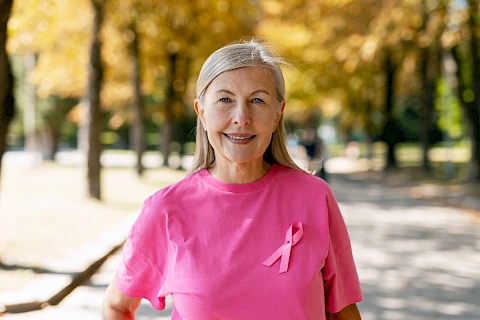
Many women assume breast cancer becomes less of a concern as they get older, but age remains an important risk factor. Knowing how your chances of developing the disease can change over time can help you make informed decisions with your doctor. For Breast Cancer Awareness Month, Senior Helpers has put together information to help you better understand these risks and feel prepared to discuss them with your healthcare providers.
How Age Affects Breast Cancer Risk
The risk of developing breast cancer generally increases with age. Other factors, including family history, genetics, and certain health and lifestyle details, can also influence the likelihood of developing the disease.
Reproductive history, such as when menstruation began and when menopause occurred, can also matter. Other influences include alcohol use, physical activity, weight after menopause, and certain types of hormone therapy.
Having one or more of these factors does not mean a woman will develop breast cancer. Some women diagnosed with the disease have no known risk factors, while others with several never develop it. Knowing your health and family history can help you and your doctor decide what screening approach makes sense for you.
What to Ask at Your Next Checkup
A routine appointment is a good time to review your health history and discuss whether your screening plan still suits your needs. Before your visit, gather what you know about breast or ovarian cancer in your family, including which relatives were affected and their ages at diagnosis. Mention any previous breast biopsies, chest radiation, or hormone therapy.
Consider asking your doctor:
- Does my family or medical history affect my chances of developing breast cancer?
- Should I continue having mammograms at my age?
- How often should I be screened, given my health and preferences?
Screening recommendations for women over 74 can vary. Your overall health, life expectancy, and personal preferences all matter when deciding whether to continue.
Daily Habits That Support Your Health
Some factors associated with breast cancer are linked to habits you can change. Regular physical activity, maintaining a healthy weight, and limiting alcohol may lower the likelihood of developing the disease. Eating a balanced diet with plenty of vegetables and fruit also supports overall health.
Choose activities that suit your abilities, such as walking or a gentle exercise class. Just remember to talk to your doctor before starting any new physical activity. If you take hormone therapy or are considering it, discuss the potential benefits and drawbacks with your doctor before making changes.
Changes Worth Bringing to Your Doctor's Attention
Knowing what is normal for your breasts can make it easier to notice changes. Contact your doctor's office if you find a new lump, notice dimpling or puckering of the skin, see a change in your nipple, experience unusual discharge, or develop redness that persists. Most breast changes are not cancer, but new or unusual symptoms should be checked promptly rather than left until your next screening.
Make Your Next Health Visit Easier with Senior Helpers Buffalo
Keeping up with recommended screenings and discussing health concerns with your doctor can be easier when you have support with transportation and daily routines. Senior Helpers Buffalo provides in-home care for older adults in Buffalo, Depew, Lancaster, Amherst, and Williamsville, including transportation to medical appointments, companionship, and more. Contact us to learn more about support available in your area.