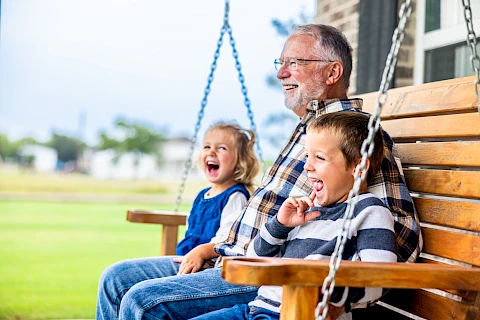
For years, maybe decades, your parent or in-law was the person you called when you needed someone to watch the kids. It worked beautifully. The grandchildren got time with someone who loved them completely, and your loved one felt useful, engaged, and part of the family's daily rhythm. When that arrangement starts to feel unsafe, the transition can be painful for everyone. It matters most to recognize when babysitting grandchildren no longer works for seniors.
Why Dementia Changes the Safety Picture
Grandparents with mild forgetfulness can often babysit young children with some additional support. But as dementia progresses, the cognitive demands of babysitting, tracking a fast-moving toddler, responding to emergencies, remembering which medications a child needs, can exceed what seniors can manage safely. This has nothing to do with how much they love the grandchildren. It's a function of how the condition affects real-time judgment, attention, and the ability to respond quickly to unexpected situations.
Young children can be unpredictable. They put things in their mouths, they run toward the streets, and they need someone who can react instantly. In households, families describe situations in which a grandparent became distracted or disoriented for just a few minutes, long enough to cause a scare. Recognizing those moments as signals rather than isolated incidents reflects care for everyone involved.
Making the Transition With Compassion
A conversation with seniors about stopping babysitting is one of the hardest ones caregivers face. A few approaches that tend to help:
Reframe Around What's Possible, Not What's Lost
Your parents can still be involved with their grandchildren in structured, lower-stakes ways. This can include reading together with an adult present, teaching a skill like baking or card games, video calls, or a Sunday afternoon visit that doesn't require solo supervision.
Give Them a Role
Many seniors feel most distressed when they sense they are becoming a burden rather than a contributor. Find ways they can still give. A grandmother reading the same picture book every Saturday can become a beloved ritual.
Bring in Additional Support
If your loved one needs daytime company and structure, a professional caregiver can be present in the home during grandchild visits. This can support safe time together without putting anyone in an unsafe position.
What Your Loved One May Also Need
Stepping back from babysitting often coincides with a period when seniors need more support themselves. Dementia can affect the ability to manage medications, keep track of meals, and stay safe at home alone. If you have been relying on them to be relatively independent while you are at work, this transition may reveal care needs that have been developing quietly.
Families often tell us they didn't realize how much their parents had been managing on their own until something changed. A home care assessment can give you a clear picture of where help would make the biggest difference.
The Alzheimer's Association offers practical guidance on meaningful activities for seniors living with dementia, including ways to involve grandchildren safely at different stages of the condition.
Support for Families Navigating This Together
This kind of transition asks a lot of your family. Senior Helpers Buffalo provides in-home care that gives older adults in Buffalo, Depew, Lancaster, Amherst, and Williamsville the daily support and companionship they need, while giving caregiving families like yours more confidence and breathing room. Contact us to explore how our senior care services can help your loved ones.