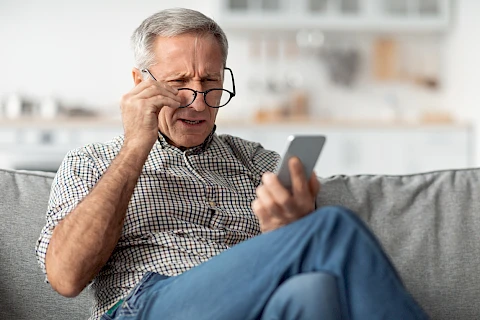
Maintaining healthy eyesight becomes increasingly critical for golden-agers. One's ability to see is essential for daily activities and overall well-being. However, many face senior vision decline due to conditions like presbyopia, cataracts, or age-related macular degeneration. Recognizing the early signs of eye problems is crucial to preventing significant impacts on your loved one's life. These indicators may suggest that your loved one is experiencing visual difficulties.
Watching Out for the Warning Signs of Poor Visual
Stay observant to identify early signs of senior vision decline problems in older family members. Early detection leads to better treatment options. Look for the following signs to see if they may need medical attention for their eyesight:
1. Holding Objects Closer or Further Away
A common indication of senior vision decline is when they start holding objects like books or phones closer or farther away to find a more precise focal point. This behavior can be subtle, so paying attention to these patterns is essential, as they may signal a shift in sight.
2. Frequent Squinting
Squinting is a natural way to see more clearly and may indicate eye issues. If your loved one frequently squints while watching TV, reading signs, or using a computer, it could suggest an eye problem. Regular squinting is a sign to schedule an eye examination.
3. Difficulty Recognizing Faces or Objects
A worrying sign in golden-agers is difficulty recognizing familiar faces or objects, which can lead to social withdrawal and safety risks. For example, failing to recognize a friend or mistaking shadows for objects may result in accidents. Promptly addressing this issue can help reduce loneliness and enhance safety.
4. Increased Clumsiness or Accidents
Those with poor eyesight may be more prone to accidents due to impaired coordination and depth perception. This can lead to frequent mishaps like bumping into furniture, struggling with steps, or spilling drinks, highlighting potential eye issues.
5. Complaints of Eye Strain or Headaches
Frequent eye strain or headaches can signal senior vision decline, often resulting from overexertion during activities that require focus, like reading or sewing. If someone mentions these symptoms frequently, it's essential to consider an eye check-up to address potential issues.
6. Avoidance of Certain Activities
Due to visual challenges, older adults with deteriorating eyesight may avoid activities they once enjoyed, such as driving, knitting, or social gatherings. This avoidance can impact their quality of life and limit social interactions. Encouraging conversations about these changes can help them maintain an active lifestyle.
How to Gently Bring Up Concerns
Addressing eye issues is a sensitive topic for many older adults. Approaching the conversation with empathy and understanding is essential. Here are some tips:
- Choose a calm moment to bring up your observations.
- Express your concerns as care rather than criticism.
- Use examples to illustrate your points.
- Encourage them to get an eye exam as a proactive health measure.
- Remind them that eye health is vital for maintaining independence and enjoying life.
We Can Help With Senior Vision Decline
Recognizing signs of poor eyesight for those in their golden years is crucial for preventing accidents and enhancing their quality of life. If you've noticed these signs in a loved one, seek professional help. For those in Reno or Sparks, contact Senior Helpers Reno to learn about our services, like Companion Care and Chronic Disease Care.