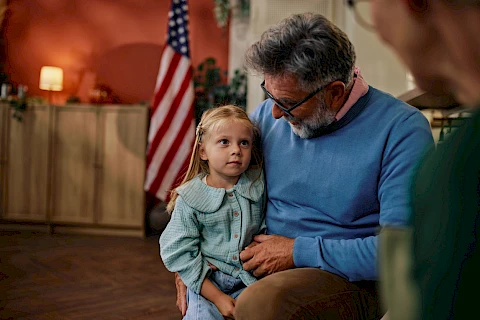
When a veteran visits a fourth-grade class, one of the first questions is often about the food, and a description of powdered eggs can get the whole room laughing. Questions like that open the door. Young people tend to remember a real person far longer than a chapter in a textbook. Sharing your service story gives them a firsthand view of military life, from ordinary routines to the moments that stayed with you. Senior Helpers shares a few ways veterans can preserve those memories, whether through conversation, writing, or a recorded interview.
What Kids Won't Get From a Documentary
Many children have never talked with a veteran up close. Your account fills in details no documentary can, like the smell of a ship's galley, the friend who taught you cards, or the long wait for mail from home.
Service also took many forms. Cooks, mechanics, nurses, radio operators, clerks, and other service members all contributed, whether or not they saw combat.
Sharing your service story can help younger listeners understand that military history is made up of everyday people as well as major events.
Finding a Format That Suits You
Some veterans like talking in front of a group, and others would sooner mow the lawn in January. Choose a format that feels comfortable.
You might:
- Write a short letter to a grandchild
- Record a conversation with a family member
- Add handwritten captions to old photographs
- Create a scrapbook from service memorabilia
- Sit for a longer oral-history interview with a group like StoryCorps
The Library of Congress Veterans History Project preserves firsthand accounts from U.S. veterans who served from World War I forward. Veterans from all branches and ranks may participate, including those who did not serve in combat. Families and volunteers can also help record interviews or collect eligible photographs, letters, diaries, and other materials.
Easy Memories First
Begin with the light stuff, such as why you joined, where you trained, and the first friend you made. Leave the difficult parts for later, or leave them out completely. You decide what to share and what to keep private.
Keep sessions short, especially at first. Twenty minutes over coffee in Champlin is plenty for a first try. Bring a photo or two to jog your memory, and let your listener ask follow-up questions as you go.
Sharing your service story should happen on your terms. If a memory becomes uncomfortable, change the subject or stop for the day.
If talking about the past brings up distress that does not settle, consider speaking with a healthcare professional. Veterans in crisis can call 988 and press 1 to reach the Veterans Crisis Line, or text 838255.
Sharing Beyond the Family
Local schools, libraries, and veterans posts sometimes welcome veteran speakers, especially in early November. A nearby American Legion post can be a friendly place to ask, since members there may know who is looking for speakers and how a first visit usually goes.
Scout troops and church groups are other possibilities, and so are the informal gatherings that happen every week at a senior center or a neighborhood coffee shop, where a story told over a refill can reach someone who never planned to ask about the military at all. Even a single classroom visit can leave a group of kids thinking about service in a new way.
Companionship for Veterans Across the North Metro
A classroom visit goes better when you don't have to fight for a parking spot first. Senior Helpers North Metro can drive you to speaking events and appointments, keep you company, and handle everyday tasks at home, and our caregivers like hearing the stories too. Our caregivers spend time with veterans in Andover, Anoka, Champlin, Circle Pines, and Minneapolis. Contact us when you'd like a hand.