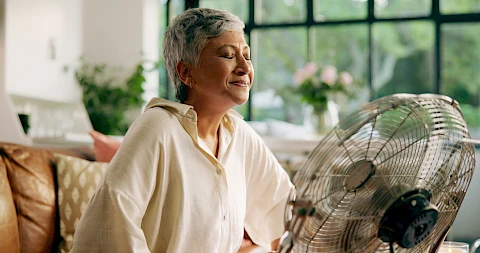
A heat wave can quickly turn an ordinary August day into a health risk. Older adults are at a higher risk because they may not feel thirsty right away, sweat less, and some medicines affect how the body handles heat.
Families can take a few practical steps before the forecast climbs.
Staying Hydrated
Keep water within reach and take small sips throughout the day, even if you don't feel thirsty. A marked bottle or a glass with each meal can help you track what you've consumed.
Some older adults have fluid limits because of a medical condition, so ask your medical provider about the right amount. Melon, berries, soup, and yogurt can also add fluid. Alcohol can add to dehydration.
Cooling Strategies
Air conditioning is the safest choice during extreme heat. If the home lacks it, spend the hottest hours at a cooling center, library, mall, or a friend's air-conditioned home.
For older adults with limited mobility, move a comfortable chair to the coolest room and stock it with water, a phone, reading material, and a light layer for anyone who feels chilled indoors. Check on your loved one at the same time each day during a heat wave, and ask about water, indoor temperature, and how they feel. If your loved one sounds unwell, make a plan to visit or help them get somewhere cooler. Applying a damp towel to the neck and skin can help while you arrange a ride to an air-conditioned location.
Close curtains on sunny windows. Fans help only when they move cooler air. Review the CDC's guidance for older adults on staying safe during the heat.
Dress for the Heat
Lightweight, light-colored, and loose-fitting clothes are more comfortable than heavy fabrics. A wide-brimmed hat and sunscreen can help during short trips outdoors. Plan errands for early morning.
Bring water in the car. Never sit in a parked vehicle, because temperatures inside rise quickly.
Recognizing Heat Illness Signs
Heavy sweating, weakness, nausea, headache, dizziness, or fainting may signal heat exhaustion. Move to a cooler place. Loosen clothing and call a healthcare provider if symptoms do not improve.
Heat stroke is an emergency. Call for emergency medical help right away if confusion, very high body temperature, loss of consciousness, or vomiting occurs.
Some medicines affect sweating, hydration, or the body's response to heat. Ask a pharmacist or healthcare provider about heat precautions for current prescriptions. Do not make changes on your own.
Need Support During a Heat Wave?
Small steps count. Senior Helpers can help with errands, companionship, and daily routines during difficult weather. Contact Senior Helpers North Metro to learn about support in Andover, Anoka, Champlin, Circle Pines, and Elk River.