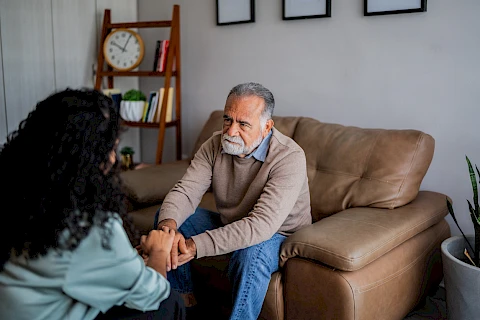
Many senior veterans carried the weight of their service home with them, and for some, that weight has never fully lifted. Post-traumatic stress disorder (PTSD) in older veterans often looks different than what most people picture. Decades may pass between the original trauma and the point when symptoms become hard to manage. If you're caring for a veteran, understanding how PTSD can manifest in an older adult is one of the most important things you can do.
How PTSD May Manifest in Older Veterans
Younger veterans returning from combat often experience PTSD in visible, acute ways. In senior veterans, symptoms are more likely to surface gradually or to intensify in response to life changes. Retirement removes the structure of work. The death of a spouse or close friend takes away the people who helped buffer difficult memories. Physical health changes can trigger feelings of vulnerability that connect, consciously or not, to wartime experiences of helplessness or danger.
Common symptoms in senior veterans include:
- Sleep disturbances, including nightmares and insomnia, that have persisted for years
- Hypervigilance, a persistent sense of being on alert, scanning environments, reacting strongly to unexpected sounds
- Avoidance, staying away from news, conversations, crowds, or anything that might bring up memories
- Emotional numbing or withdrawal, becoming quieter and more isolated over time
- Irritability or sudden anger that seems disproportionate to what triggered it
A veteran who becomes visibly tense during a thunderstorm or who refuses to discuss certain periods of their life entirely may be experiencing PTSD responses that they've managed privately for decades.
Common Triggers Among Senior Veterans
Anniversary dates, holidays like Veterans Day or Memorial Day, news coverage of military conflicts, and even certain sounds or smells can activate memories with physical intensity. Medical procedures, particularly those involving restraint, loss of control, or pain, can also be triggering for veterans.
Dementia and cognitive change can worsen PTSD in older veterans, as the filters that helped manage intrusive memories become less effective. Families caring for veterans with both cognitive change and PTSD may notice an increase in distress behaviors that are connected to trauma rather than to dementia alone.
Provide Supportive Care
The most important thing a caregiver can do is create an environment of calm predictability. Letting a veteran know what to expect before transitions, medical appointments, or changes in routine gives them a sense of control. Listening without pressing for details about wartime experience respects boundaries that are often there for good reason.
Avoid minimizing. Phrases like "that was a long time ago" or "you should be over that by now" close down trust quickly. Acknowledgment, even something as simple as "that sounds really hard," matters more than problem-solving.
The U.S. Department of Veterans Affairs provides resources for veterans living with PTSD, including telehealth counseling and the Veterans Crisis Line (dial 988, then press 1). Encouraging a veteran to connect with the VA, perhaps by framing it as "talking to someone who understands what veterans go through," can feel less intimidating than seeking general mental health support.
Caring for Those Who Served
The veterans in our communities carry experiences most of us will never fully understand. By recognizing the symptoms and triggers to be aware of, they can receive the supportive care they need. Senior Helpers of North Metro stands with families across Andover, Anoka, Champlin, Circle Pines, and Elk River. Contact us to learn how our compassionate senior in-home care can support your veteran loved one's daily well-being and sense of safety.