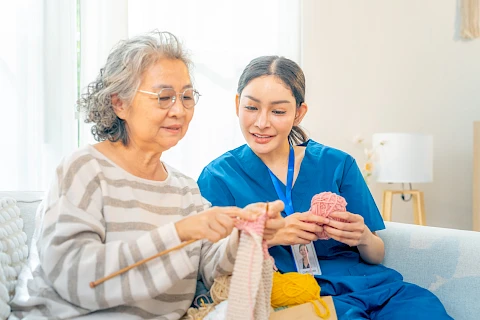
As loved ones grow older, families are concerned not only about their safety and comfort but also about their social well-being, while maintaining their independence. That gap between physical independence and social connection is exactly where companion care will fit.
What Is Companion Care
Companion care focuses on the social and emotional side of daily life rather than medical support. A companion might prepare and share a meal with your loved one, provide transportation to appointments and help with errands, play cards, or simply sit and talk about the news. The goal is connection and engagement, along with a helping hand with light housekeeping or transportation.
This is different from personal care, which assists with bathing, dressing, or mobility. It’s also different from skilled nursing care for managing a medical condition.
Will Companion Care Benefit Your Senior Relative
Look for patterns rather than one-off moments. Has your loved one mentioned feeling bored or lonely more than once? Has she stopped attending a regular activity that she used to enjoy? Maybe she's eating smaller, less varied meals because cooking for one no longer feels worth the effort.
Physical changes matter too. If driving has become harder and that's limiting her ability to see friends or get to appointments, isolation can creep in even though nothing about her health has technically gotten worse. The National Institute on Aging outlines why staying connected supports overall well-being.
Introduce the Idea
This conversation goes better as an offer than a diagnosis. Rather than saying "you seem lonely," try something like, "I found a service that helps people get out more and have company during the week; want to hear about it?" Framing it around adding something enjoyable, rather than fixing a problem, tends to land better with someone who values their independence.
Involve your loved one in the conversation from the start rather than presenting a decision that's already been made. Most people respond well to having a say in who spends time in their home.
Choose the Right Companion
A good match matters a lot. Someone who shares your senior’s love of gardening or interest in local sports history will build rapport faster than a stranger with no common ground. Ask about the matching process, and don't be afraid to request a different companion if the first pairing doesn't click. This is a relationship, and like any relationship, some pairings simply work better than others. Give the arrangement a few visits before judging it. Trust often builds gradually, and a companion who feels like a stranger in week one can become a genuine friend by week four.
If you're weighing whether companion care makes sense for your senior loved one in Anoka, Champlin, Circle Pines, Elk River, or Minneapolis, we're happy to talk through the options with you. Contact us at Senior Helpers North Metro to schedule a conversation about your family's needs.