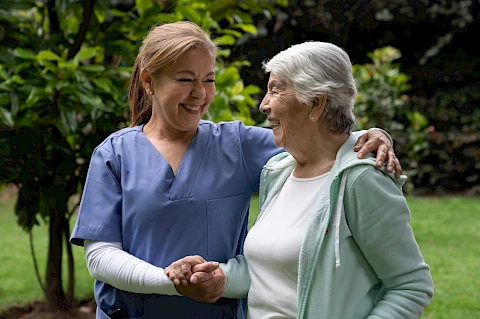
Watching a parent's body slow down is hard enough. Many caregivers may not realize that physical activity and brain health are more interconnected than we think. Keeping your loved one active can be one of the most impactful things you do for their cognitive wellness. Senior Helpers knows that this research is genuinely encouraging.
How Movement Feeds the Mind
Every time your loved one walks or does gentle stretches, their heart pumps more blood to the brain, delivering oxygen and glucose essential for memory, attention, and decision-making. Exercise, especially activities like running or swimming, helps make your brain bigger in an area important for creating new memories. The National Institute on Aging highlights physical activity as a key non-pharmaceutical strategy for preserving cognitive function in older adults.
The Brain's Own Growth Factor
One reason exercise has such a pronounced effect on the brain is a protein called Brain-Derived Neurotrophic Factor (BDNF). Think of it as fertilizer for brain cells. Aerobic exercise reliably raises BDNF levels, which helps existing neurons remain healthy and supports the formation of new neural connections. For a loved one who is managing early memory changes, even moderate activity like a 20-minute walk or a gentle water aerobics class can stimulate this response.
BDNF is involved in mood regulation. A physically active loved one reaps the benefits of better sleep, lower anxiety, and better social engagement.
New Routines, New Pathways
Learning a new physical activity and brain health are closely linked, as engaging in such activities prompts the creation of new neural pathways. Repetition of familiar movements maintains existing circuits, but novelty strengthens them in new directions. This is why variety in movement matters as much as consistency. Here are practical ideas that work well for older adults:
- Short daily walks with a change of route every week or two
- Chair yoga or stretching videos designed for older adults (many are free online)
- Gardening, which combines light resistance work with coordination and sensory engagement
- Dancing or marching to music, which pairs rhythm with balance training
Starting Safely
Before increasing your loved one's activity level, it's important to have a quick conversation with their physician. This step is especially worthwhile if they are managing heart disease, arthritis, or balance concerns. This connection between physical activity and brain health can provide numerous benefits, but ensuring safety is crucial. Start with activities that feel comfortable and build gradually. Even those in their golden years with limited mobility can benefit from seated exercises that improve circulation and core strength.
Care That Supports an Active Life
All of this brain-boosting movement is easier to sustain with consistent daily support. Senior Helpers Bel Air works with families in Aberdeen, Charlestown, Churchville, Darlington, Bel Air, and surrounding areas. We help provide in-home care that keeps older adults engaged, safe, and moving. Our caregivers can assist your loved one in maintaining an active routine that supports both body and mind, with a focus on physical activity and brain health. Contact us to learn more about how we can help.