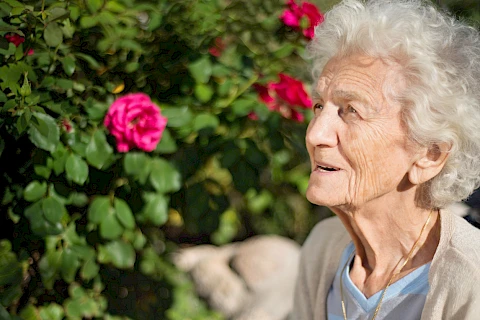
There's something about a garden that reaches people in a way that many other activities don't. The smell of a tomato plant, the weight of a trowel in the hand, the particular green of new growth against dark soil. Senior Helpers explains how a therapeutic memory garden for golden-agers can help unlock memories words can't reach. These spaces are centered on plants and elements significant to an individual's life, intentionally harnessing their natural power.
What Makes a Therapeutic Memory Garden for Seniors
A healing sensory garden is an outdoor or container-based space planted with things that carry personal significance. It can be a rose variety that a grandmother grew decades ago. It might be herbs used in a family recipe or a flower that blooms in a color tied to a cherished place. Horticultural skill is beside the point; the sensory connection to lived experience is the purpose.
The Alzheimer's Association includes sensory and reminiscence activities among its recommendations for people living with Alzheimer's or dementia, noting that familiar smells, textures, and visual cues can support positive emotional responses and a sense of identity even as memory changes.
Choosing Plants With Your Loved One
The planning conversation is itself valuable. Ask what your loved one used to grow or what plants carry memories for them. Families can often find that a simple question opens up stories they've never heard. Someone who grew up on a farm in Darlington might recall marigolds in a window box. Another who spent summers in Jarrettsville might picture a honeysuckle vine on a fence.
Create a plant list that engages multiple senses. Include fragrant herbs like lavender, rosemary, and mint, as well as textured leaves like lamb's ear and sage. Focus on bright colors and include edible plants. Avoid thorny, toxic, or high-maintenance varieties.
Designing for Accessibility
A therapeutic memory garden for seniors requires careful consideration of access and comfort. Here are a few things to consider:
- Position growing areas at 24 to 30 inches to eliminate the need for bending or kneeling, making planting accessible to everyone.
- Ensure walkways between garden beds are spacious, flat, and stable to accommodate wheelchairs, walkers, and strollers comfortably.
- Create a protected resting area nearby so older adults can relax and enjoy the environment's sensory benefits without physical exertion.
- Opt for large patio or balcony containers with excellent drainage to grow vibrant herbs and flowers in smaller residential yards.
- Supply lightweight gardening equipment with padded, thick handles to significantly reduce joint strain and accommodate limited hand dexterity.
Planting Together as an Activity
Work on the greenery together over several sessions rather than presenting a finished space. Let your loved one make choices and direct the arrangement; the sense of ownership that comes from deciding where the lavender goes matters as much as the planting itself. Involve grandchildren old enough to dig and water. A garden made together becomes a place the whole family returns to.
A Living Space for Memory and Connection
A therapeutic memory garden for seniors, whether a few containers on a porch in Perryville or a full raised-bed setup in a yard in Bel Air, gives loved ones a place that is genuinely theirs. Senior Helpers of Bel Air supports families across Aberdeen, Abingdon, Bel Air, Churchville, and surrounding areas with compassionate in-home care that supports daily engagement and quality of life. Contact us to learn how we can help your loved one live well at home this season.