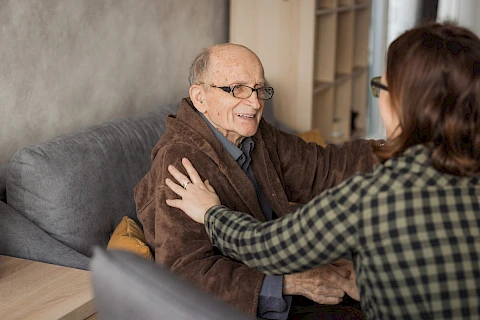
As our loved ones age, it becomes essential to recognize when seniors need help with daily tasks. However, raising the topic of support can be challenging for them, often leading to dismissals or uncomfortable reactions. This delicate conversation is vital for ensuring their health and well-being. Senior Helpers Bel Air offers strategies for approaching this conversation thoughtfully and effectively.
Recognizing When Seniors Need Help
The first step in discussing support is recognizing the signs that your elderly loved one might need assistance. Common indicators include frequent forgetfulness, difficulty maintaining their home, changes in personal hygiene, or altered eating habits.
Watching for these signs requires observation and empathy. Instances like forgetting the mail or spoiled food in the fridge may suggest difficulty managing daily tasks. Remaining patient and empathetic will help you better understand their situation and guide your approach.
Preparing for the Conversation
Once you've observed potential signs, preparation is key. Choosing the right time and setting can make a big difference. Opt for a calm, quiet environment with minimal distractions.
Approach the topic with sensitivity and respect, showing that you are there to help, not to criticize. Manage your emotions and expectations beforehand, preparing yourself for possible resistance or denial. This mindset can help keep the conversation positive and constructive.
Effective Communication Techniques
When it's time to start the conversation, how you communicate is fundamental. Use gentle, open-ended phrases that acknowledge whether seniors need help. For example, "I've noticed you seem a bit overwhelmed lately. Is there anything we can do to make things easier?" This opens the door to dialogue without being confrontational. Practicing active listening is equally important.
Pay close attention to their words and feelings, showing empathy and understanding. Encouraging open dialogue means having patience and not rushing to solve every problem in one conversation.
Addressing Concerns and Objections
Be prepared to address common objections your loved one may have. Many elderly retirees value their independence and may be resistant to receiving help. You might hear, "I can handle it myself!" In response, reassure them by saying, "I understand you want to stay independent, and I want that for you too. How can we work together to make sure that's possible?" Finding a balance between their independence and the need for support can lead to a mutual understanding and agreement.
Exploring Support Options
Once you've opened the lines of communication, explore when seniors need help while maintaining independence. Options range from hiring a home helper for a few hours a week to arranging full-time professional care. Involve them in decision-making by asking them what kind of help they feel comfortable with and what may be unnecessary. A personalized care plan can offer both you and your loved one peace of mind, knowing their needs are met.
Contact Senior Helpers for Custom Care and Assistance
Starting a conversation about getting assistance can be tough. Still, it's a critical step in ensuring the well-being of your loved ones. By recognizing signs, preparing thoughtfully, and communicating effectively, you can navigate this process more easily. Remember, for professional support in Aberdeen, Abingdon, Bel Air, and the surrounding areas, Senior Helpers Bel Air is here to assist. Contact us today to learn more about our care services.