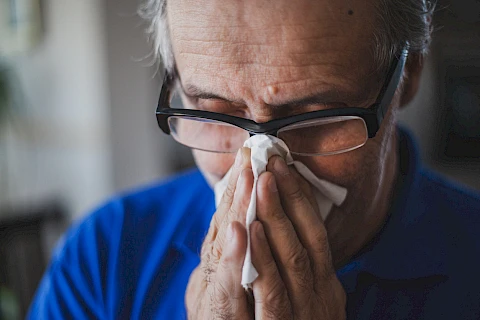
As people age, they often face an array of health challenges, including allergies and Parkinson's disease. Allergies affect many seniors, causing sneezing, itchy eyes, and congestion. At the same time, Parkinson's, a progressive neurological disorder, brings its own set of challenges. When allergies and Parkinson’s intersect, managing symptoms becomes even more important to maintain seniors’ quality of life.
The Interaction Between Allergies and Parkinson's
Parkinson's disease primarily affects movement, causing symptoms such as tremors, stiffness, and balance problems. Seniors with Parkinson's might also experience issues like fatigue and difficulty swallowing. Allergies, on the other hand, are often seen as a seasonal nuisance, with symptoms including sneezing, a runny nose, and itchy eyes. However, for seniors with Parkinson's, seasonal allergies can exacerbate their existing condition.
Allergies can worsen Parkinson's symptoms in several ways. For instance, fatigue from allergies may amplify the tiredness already caused by Parkinson's. Furthermore, allergy-related congestion can lead to difficulties with swallowing or breathing.
Moreover, allergy medications might interact with Parkinson's medications, complicating treatment. Some antihistamines can cause drowsiness or interfere with the effectiveness of Parkinson's drugs, making it vital to manage these medications carefully.
Tips for Reducing Allergen Exposure
Managing allergies in seniors with Parkinson’s begins with reducing exposure to allergens. Common allergens include pollen, mold, and dust mites. For indoor spaces, consider these steps:
- Use air purifiers to filter out airborne allergens.
- Keep windows closed during high pollen periods.
- Regularly wash bedding in hot water to kill dust mites.
- Frequently clean the home to reduce mold and dust buildup.
When it comes to the outdoors, try to limit outdoor activities during peak pollen times. Wearing sunglasses and hats can minimize exposure, and it's a good idea to shower and change clothes after being outside. Maintaining a clean and allergen-free environment can significantly ease the burden of allergies on seniors with Parkinson's, making day-to-day life more comfortable.
Seeking Appropriate Treatment
Getting the right treatment for allergies, especially with Parkinson's, requires careful planning. Consult healthcare providers who can tailor advice to the specific needs of seniors. They can suggest safe allergy medications that won't negatively interact with Parkinson's treatments.
Some non-pharmacological options for managing allergies in seniors with Parkinson’s include nasal saline rinses to clear nasal passages, humidifiers to keep airways moist, and eye drops to relieve itchy eyes. Monitoring how well the treatment plan works and making adjustments as needed is crucial, as is seeking professional guidance to ensure comprehensive, personalized care.
Get Help Managing Allergies With Parkinson's Disease
Managing allergies in seniors with Parkinson's requires understanding the interactions between these conditions, reducing allergen exposure, and seeking appropriate treatment. By taking these steps, seniors can enjoy a better quality of life without the added discomfort of allergies.
We offer specialized Parkinson's care services in Rockford, Belvidere, Freeport, Loves Park, and Stephenson County. If you need more assistance at home, including help navigating the challenges of allergy management and Parkinson's, contact us at Senior Helpers Rockford.