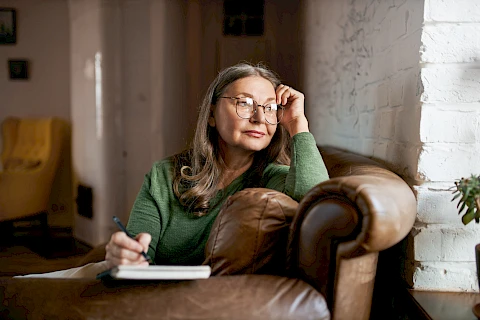
A calendar can tell you a lot. If the only entries left on yours are medical appointments and trash day, sit with that for a minute. Social isolation in older adults usually follows a life change, such as giving up the car keys or losing a spouse, and it can settle in without much fanfare. Senior Helpers shares insights meant for honest, private reflection, and nobody else needs to see your answers.
Changes That Tend to Come First
Social isolation in older adults often emerges as the last issue after changes in circumstances have diminished social interactions. Retirement removes the daily contact of a workplace. A move from a family home in Geneva to a smaller place in Aurora can put you miles from the neighbors who knew your routine. Hearing loss makes restaurants tiring. Giving up driving makes every outing a favor.
These can shrink your world, and when two or three occur in the same year, it can happen faster than expected.
A Private Checklist
Sit down with a cup of coffee and a notepad, and mark the statements that fit your last month, something along the lines of:
- I can't remember the last time I laughed with someone in person.
- I'm not sure whom I'd call at nine at night if something went wrong.
- I've turned down invitations because getting there felt like too much trouble.
- I let the phone ring.
- I eat most meals standing up.
- I've stopped looking forward to things I used to enjoy, like the Fox River trail in spring or a grandchild's ballgame.
One mark doesn't mean much. Several together suggest your circle has gotten smaller than you'd like.
If you've felt down or hopeless for a couple of weeks, talk to your doctor, as those feelings can have various causes that they can help address.
The Stories That Keep People Home
Many people hold back because of a story they tell themselves, usually some version of being a bother or assuming everyone else already has all the friends they want.
Those thoughts rarely match what others think. The CDC's page on social connection explains how it is linked to better mental and physical health. People rebuild friendships at every age, including in their 70s and 80s.
Choosing One First Step
Taking a step towards addressing social isolation in older adults can be something small enough that you'll actually do it this week, even on a gray afternoon when the couch looks better than anything on the calendar. Call a cousin you haven't seen since the last wedding. A single park district class works too. At church, sit in the same pew each Sunday and introduce yourself to the person beside you.
If transportation or confidence is the barrier, the National Council on Aging has resources on healthy aging and on benefits that can help older adults make ends meet.
Address Social Isolation in Older Adults With Compassionate Care
Senior Helpers Geneva-Aurora provides caregivers who offer regular companionship, conversation, and transportation to the outings that matter to you, from a lunch date to a grocery run. We also help with light housekeeping and meals. Our team serves older adults in Geneva, Aurora, Plainfield, and Oswego, IL, as well as their families. Contact us to set up a friendly first conversation about the kind of company you'd enjoy.