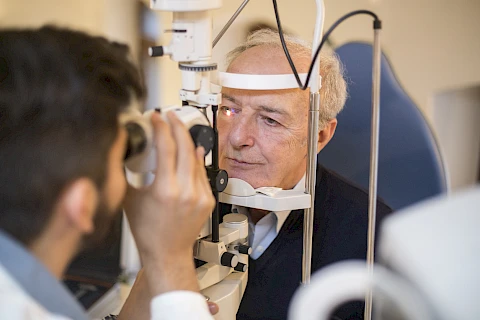
If you have noticed your mom leaning closer to the newspaper or asking you to read the pill bottle again, September is a good time to pay attention. National Eye Health Week runs later in the month, and vision changes in seniors are one of the most common silent losses in a parent's daily life. A little effort on your part now can catch problems while they are still treatable.
Schedule the Exam Yourself If You Need To
Adults 65 and older should have a full dilated eye exam every year. Not a screening at the optical shop. The full exam, performed by an ophthalmologist or optometrist, checks intraocular pressure, the retina, and nerve health.
If your parent has been putting it off, offer to call and book it yourself. Then drive them. Between the pupils being dilated and the timing of the appointment, having a ride makes the visit far more likely. The National Institute on Aging has clear guidance on age-related eye conditions and what to expect at exams.
Watch for the Changes They May Not Mention
Many often downplay vision changes in seniors because they do not want to lose their driver's license or worry their family. So you really need to notice them. Some signs to log and mention at the next visit include:
- Bumping Into Door Frames
- Missing Steps on the Porch
- Holding Books Closer Than Usual
- Complaining About Glare at Night
- Spilling Coffee More Often
- Losing Interest in TV Shows They Used to Love
Also, be alert for sudden vision changes like new floaters, flashes of light, or a shadow across your vision. These may indicate a detached retina, which requires immediate medical attention.
Color perception often shifts, too. If your parent thinks the blue pill is the black one, that is a real concern for medication safety.
Small Home Changes That Help a Lot
Vision-friendly homes look different, and once you see it, you cannot unsee it. Brighter bulbs in reading spots. Motion-activated lights in hallways and the bathroom for night trips. Contrast tape on the edge of stair treads. Dark placemats under white plates so food is easier to see. Get rid of the throw rugs as they’re a fall hazard.
Set up medication in a weekly pill organizer with large-print labels. If your parent uses eye drops for glaucoma, help them mark the bottles with a rubber band or tape so they can identify them by touch.
Preparing for What Comes Next
If your parent has been given a diagnosis like macular degeneration, glaucoma, or diabetic retinopathy, learn the trajectory. Ask the doctor what to expect over the next two years. Low-vision specialists can teach practical tricks, from talking clocks to magnifiers to phone accessibility features, before the vision loss becomes limiting.
Assistive technology has come a long way, too! An iPhone can now read a menu out loud through the camera. A grandkid can set that up in an afternoon.
Keeping an Eye on Vision Changes in Seniors
Little changes in eyesight can turn into big safety issues, and a caregiver's steady attention is often what catches them first. Our team at Senior Helpers Geneva-Aurora supports families in Geneva, Aurora, Plainfield, Oswego, and across Illinois with rides to eye appointments, medication reminders, and safer-home visits. Contact us so we can talk through what would be most useful for your parent right now.