Plenty of older adults notice they sleep better and feel steadier on the days they get moving, even if the movement is only a slow loop around the block after breakfast. Physical activity won’t fix every hard feeling, yet what’s known so far about exercising for mental health looks promising. Senior Helpers shares five types of activities that may lift a parent's spirits, plus ideas to help them get started.
1. Walking Outdoors
A steady walk raises heart rate a little and gets someone out of the house, both of which can help. Harvard Health Publishing explains that regular aerobic activity may ease symptoms of depression for some people. The Fox River Trail is flat in long stretches.
2. Stretching in the Morning
A sturdy kitchen chair is enough. Ten minutes of gentle stretching can loosen stiff joints and set a calmer tone for the day.
3. Tai Chi
The slow, flowing movements pair breath with balance. Newcomers can usually follow along. The National Center for Complementary and Integrative Health summarizes what's known about tai chi, including studies on balance and on mood.
4. Strength Work
Light hand weights, resistance bands, or standing up from a chair several times in a row all count, and many people feel more confident on the stairs after a few weeks. The National Institute on Aging counts muscle-strengthening as one of three types of exercise that support healthy aging, alongside aerobic and balance activities.
5. Group Classes
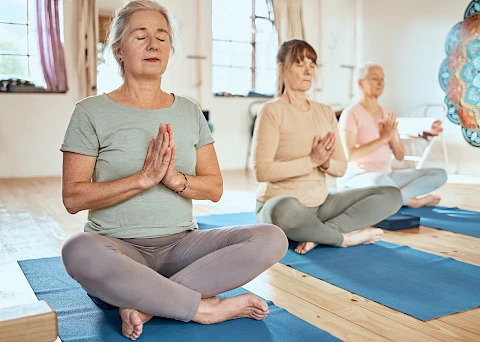
A water aerobics session or a chair yoga class brings other people into the picture, with familiar faces and a bit of laughter and someone who notices when you've missed a week. Park districts and senior centers in Oswego and Plainfield often list classes for older adults in their seasonal program guides, which usually sit in a rack by the front desk and are easy to flip through together over coffee on a slow afternoon.
Helping a Parent Take the First Step
Supporting a parent to add more movement to their routine doesn't have to be overwhelming when you focus on safety and start small.
- Always check with a doctor first to ensure new activities are safe given their health, medications, and fall history.
- Lower the bar to avoid stalling. Suggest walking to the mailbox first, then try a lap around the block next week.
- Accompany them the first few times or bring a grandchild along to ease the intimidation of joining a new class or environment.
- Exercising for mental health works best when it’s built around what they already enjoy. Match activities to interests, such as gardening or dancing, to increase enjoyment and commitment.
- If they're consistently sad or anxious, suggest they speak with a doctor or mental health professional instead of just relying on exercise.
Company for the Walk in Geneva, Aurora, and Nearby
Some seniors just need a walking partner to make exercising for mental health feel doable. Senior Helpers Geneva-Aurora offers companionship, transportation, and assistance with daily routines for families in Geneva, Aurora, Plainfield, and Oswego, IL. We can connect your parent with a caregiver who shares their love for strolls. Contact us to ask how companionship can help your loved one stay active and connected.