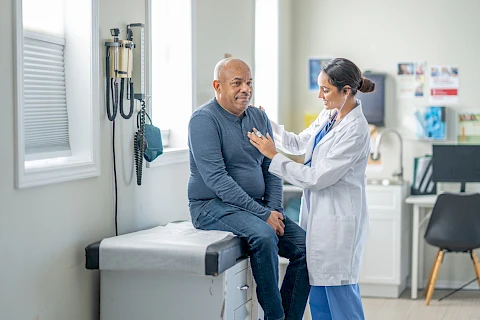
Have you had—or are you scheduled to have—heart bypass surgery? While it can significantly improve your quality of life, you should be prepared for potential post-surgical heart emergencies. February is American Heart Month, a fitting time to focus on heart health and ensure you have peace of mind after your operation.
Potential Heart Emergencies
After bypass surgery, you must be on the alert for cardiac emergencies. Common types include:
- Heart attack: Blocked blood flow to part of the heart
- Arrhythmia: Irregular heartbeat
- Angina: Chest pain due to reduced blood flow to the heart
Recognizing symptoms can make a significant difference. Common signs of a heart attack include chest discomfort, shortness of breath, and pain in the arm, neck, or jaw. Arrhythmia might cause dizziness, palpitations, or fatigue. Angina symptoms typically involve chest pain or pressure. If you experience any of these symptoms, immediately seek medical assistance.
Preparing for Emergencies
Preparation is key to handling emergencies effectively. Create an emergency plan. Make sure you have up-to-date contact information for your healthcare providers. Having a list of your medications and medical history on hand is also a good idea, as it can quickly provide medical personnel with the information they need in case of an emergency.
Schedule regular follow-ups with your healthcare provider. These check-ups allow for monitoring of your heart health and can often identify potential issues before they become emergencies. Don't skip these appointments, even if you're feeling well.
Lifestyle Adjustments for Prevention
Adjusting your lifestyle can be a major factor in preventing heart emergencies. Choose a heart-healthy diet to maintain a healthy weight and reduce the burden on your heart. Focus on eating plenty of fruits, vegetables, whole grains, and lean proteins. Avoid foods high in saturated fats, sodium, and sugars.
Increase your physical activity. Being active helps strengthen your heart. Aim for activities that raise your heart rate, such as walking or swimming. Always consult your doctor before starting a new exercise routine to ensure it's safe for you.
Stress management is another necessary responsibility for heart health. Finding techniques that work for you, such as deep breathing exercises, meditation, or pursuing hobbies, can substantially reduce stress levels and maintain a healthy heart.
Support Systems and Resources
A strong support system can make a huge difference in managing emergencies. Family members and caregivers should familiarize themselves with the emergency plan, recognize symptoms, and be prepared to assist. Keeping open communication with loved ones about your health can provide reassurance and prompt responses when needed.
Community resources and support groups offer valuable opportunities for learning and sharing experiences about heart health. Local groups or online communities can be great places to find support and information.
Technology can also be a great ally. Devices like smart watches and heart monitors can track your heart rate and other vital signs, providing real-time information and alerts for any irregularities.
Stay Heart Healthy With Senior Helpers
Being prepared and aware can greatly impact your recovery and ongoing heart health after a bypass. Understanding the potential emergencies and leveraging support systems are all part of being proactive about your health.
If you or your loved one needs personalized care and support with nutritious meals, medication management, or doctor-recommended exercise, contact us at Senior Helpers West Oahu. We proudly serve the Waipahu, Haleiwa, Waianae, Wahiawa, and Waialua areas, and we're here to help you every step of the way.