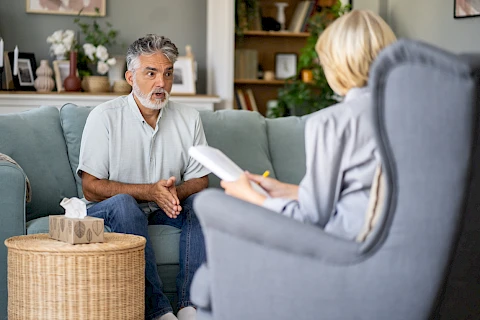
Many people who grew up in North Georgia were raised to handle their troubles privately, at the kitchen table or in the church pew. That habit has real strengths. It can also leave someone alone with loneliness for months after a spouse dies or old friends move away. Counseling for senior isolation offers another place to talk through those changes, understand what is behind the loneliness, and find ways to reconnect. Senior Helpers can also provide companionship, transportation, and help with everyday routines between appointments.
What Isolation Can Do Over Time
Being alone and feeling lonely are different things. Some people live alone happily, while others feel lonely in a full house. The National Institute on Aging notes that ongoing loneliness and social isolation have been linked to health problems, including depression, heart disease, and cognitive decline.
Loneliness changes daily habits as well. Lunch turns into crackers at the counter, and the phone rings out when a cousin calls. After a while, the days blur together. Reaching out starts to feel harder than staying put.
What Happens in Counseling
Counseling is a series of conversations with a trained, licensed professional. A therapist listens and asks questions. Over several sessions, they sort out what's sitting underneath the loneliness. Sometimes that turns out to be grief after a death, or a recent move away from a longtime neighborhood in Rome, or anxiety about driving, or hearing loss that makes group settings exhausting.
From there, the work gets practical. A counselor may help someone plan one small step a week, such as calling an old friend or trying a class at a senior center in Canton or Cartersville, and then talk through how it went at the next session. The American Psychological Association has an overview of how psychotherapy works and what to expect.
Common Hesitations, and What Often Helps
It is normal to have questions before trying therapy. Some common concerns include:
- Stigma - Counseling is private, and seeking professional support does not mean giving up family, faith, or other sources of support.
- Handling problems alone - Talking with a therapist is one way of actively dealing with a problem, not avoiding it.
- Cost - Medicare Part B may cover outpatient mental health services, including psychotherapy. Check the plan details before scheduling.
- Distance - Telehealth may make counseling easier to access for people who live far from a provider or no longer drive.
- Not knowing where to begin - A primary care doctor can be a useful first contact and may provide a referral.
Finding the Right Fit
The first counselor isn't always the right match. Before booking, a person can ask about their experience with older adults, grief, or major life changes, and can switch after a few visits if the match doesn't feel right. APA guidance for psychologists working with older adults emphasizes adapting care to individual needs, culture, health, and life circumstances.
If counseling for senior isolation does not feel comfortable after a few visits, it is reasonable to discuss what is not working or look for another provider.
If someone is in emotional distress or talks about suicide, call or text 988 for immediate support.
Company at Home From Senior Helpers
Counseling works well alongside everyday company. Senior Helpers Canton-Rome-Cartersville provides caregivers who offer conversation, help with meals and errands, and rides to appointments, including counseling sessions. We serve older adults and families in Canton, Cartersville, Rome, Blairsville, and Chatsworth. Contact us to learn more about support at home.