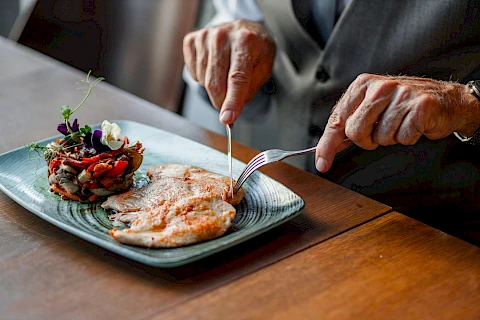
June is Men's Health Month, and good nutrition is one area where small, consistent choices produce real results over time. In the senior years, your body's needs tend to shift from what they were at 40 or 50. Eating in a way that matches those changes doesn't require a dramatic overhaul, just a clearer picture of what actually helps.
Why Protein Matters More with Age
Muscle loss, called sarcopenia, accelerates after age 60. Getting enough protein is one of the most direct ways to slow that process and maintain the strength that keeps you active and independent. Most guidelines for older adults suggest around 1.0 to 1.2 grams of protein per kilogram of body weight daily, which is higher than the general recommendation.
Good protein sources that work well for senior men include eggs, Greek yogurt, canned fish like salmon or tuna, chicken, beans, and cottage cheese. These are easy to prepare, reasonably priced, and versatile. If your appetite has decreased, spreading protein across all three meals (rather than loading up at dinner) makes it easier to reach your daily target.
Heart-Healthy Eating Basics
Cardiovascular disease remains one of the leading health concerns for the elderly. Saturated fat, excess sodium, and refined carbohydrates all put additional strain on the heart, while certain foods actively support cardiovascular function.
Foods worth adding regularly include:
- Fatty fish like salmon or mackerel (rich in omega-3s)
- Olive oil in place of butter where possible
- A handful of walnuts or almonds as a snack
- Oats at breakfast, which contain beta-glucan, a fiber that supports healthy cholesterol
Local farmers markets in late spring carry a good selection of fresh produce. Summer is also a natural time to build more vegetables into your meals.
Foods that Support Prostate Health
Prostate health is a real concern for many senior men. While no single food prevents problems, a diet rich in certain nutrients provides useful support. Tomatoes, particularly cooked like those in pasta sauce or soup, contain lycopene, which has been studied in relation to prostate health. Cruciferous vegetables like broccoli and cauliflower, along with green tea and pumpkin seeds, are also frequently mentioned in nutritional research. The American Heart Association offers a practical food guide that covers many of these areas.
Managing Common Conditions Through What You Eat
If you're managing type 2 diabetes, high blood pressure, or high cholesterol, your food choices become even more consequential. Talk to your doctor or a registered dietitian about specifics for your situation. Some general principles that apply broadly:
- Limit processed foods high in sodium, which are often the hidden source in most American diets
- Choose whole grains over refined carbohydrates
- Stay hydrated, especially in the Georgia heat, since dehydration can affect blood pressure and kidney function
Many seniors often find that making one or two food swaps at a time is far more sustainable than attempting a complete dietary change.
Good Nutrition Starts with the Right Support
Eating well is easier when someone is there to help plan, shop, and cook. Senior Helpers Canton-Rome-Cartersville provides in-home care for older adults in Canton, Cartersville, Rome, Blairsville, and Chatsworth, including meal planning and preparation. Contact us to learn how our caregivers can help you stay strong and well-nourished this Men's Health Month and throughout the year.