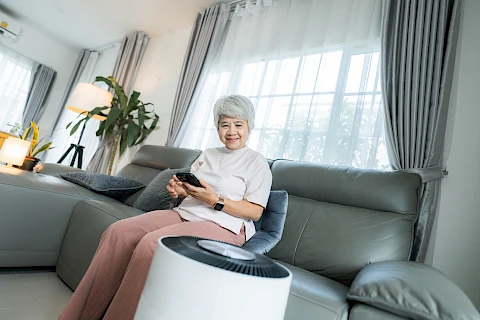
Spring is a time of renewal and beauty, but for many seniors, it also brings a wave of allergies. Spring allergies can lead to discomfort and health complications, even indoors, where we often spend most of our time. An allergen-free home environment is crucial for seniors who are affected by seasonal allergies.
Indoor Allergens
When it comes to indoor allergies, knowledge is power. Common indoor allergens that impact seniors include dust mites, pet dander, mold, and pollen that can sneak indoors. During spring, increased pollen can exacerbate these indoor allergens, triggering allergic reactions more frequently. Knowing which allergens are present is the first step to controlling them.
Regular Cleaning and Dusting
Frequent cleaning helps manage allergens indoors. Dust mites and molds thrive in unclean environments, so keep surfaces clean. Regularly dusting with a damp cloth helps trap dust particles rather than spreading them into the air. Additionally, vacuuming carpets and rugs with a HEPA-filtered vacuum can effectively remove allergens that settle into fabrics and fibers throughout your home.
Air Quality Management
Improving air quality inside your home can significantly reduce allergies. Air purifiers with HEPA filters are excellent tools for capturing allergens and improving overall air quality. These devices work continuously to filter out microscopic particles that can trigger allergic reactions. Change HVAC filters every one to three months to ensure they trap allergens effectively. Clean filters mean better air quality and a more comfortable breathing environment for seniors.
Monitoring Local Air Quality
Monitoring air quality can help you make informed decisions about when to keep windows closed or limit outdoor activities. Smartphone apps and websites that provide local air quality indices are valuable resources for staying informed. On days when air quality is poor, it's wise to plan indoor activities, especially for seniors with asthma or severe allergies. This proactive approach helps minimize exposure to outdoor allergens that can infiltrate your home.
Creating an Allergy-Free Living Space
There are several ways to create a space that minimizes allergen exposure. Choosing hypoallergenic bedding and furniture reduces the risk of dust mites and mold accumulation in areas where seniors spend considerable time. Managing humidity levels with a dehumidifier is another effective strategy to prevent mold growth within your home, as mold thrives in damp conditions.
Additional Tips for Allergy Relief
- Improving indoor conditions can help, but personal habits also make a difference.
- Incorporate indoor plants such as spider plants or peace lilies to help purify the air.
- Practice personal hygiene, such as washing your hands and face after coming inside, to reduce the allergens you carry indoors.
- Consult healthcare providers to explore medications or treatments that can ease allergy symptoms.
Senior Helpers Santa Clarita - Lancaster Provides Expert Senior Care
Managing indoor allergies is about consistent cleaning, air quality control, and making smart choices about your living environment. Don't hesitate to put these tips into practice for a healthier indoor environment. For personalized support with senior care in Santa Clarita, Valencia, Newhall, Canyon Country, and Lancaster, contact Senior Helpers Santa Clarita-Lancaster. Let's make this spring a more enjoyable time for everyone!