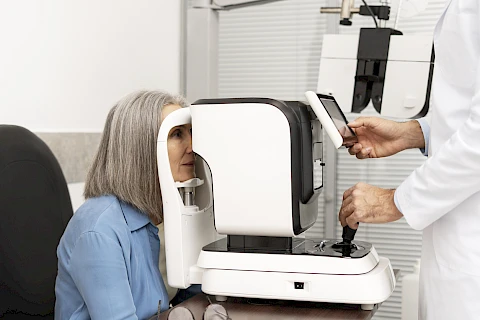
Maintaining our health becomes increasingly integral for seniors, including caring for our eyes. Regular eye screenings are a must for preserving eye health and overall quality of life for seniors and their caretakers. While glasses and contact lenses can correct some vision problems, regular screenings are vital to detecting more serious eye conditions early on. This article encourages seniors and their caretakers to highlight the importance of eye health and the role of regular screenings.
Recognizing Age-Related Eye Conditions
Seniors' eyes are more susceptible to a range of conditions. Some of the most common age-related eye conditions include cataracts, glaucoma, age-related macular degeneration (AMD), and diabetic retinopathy, which are further defined below:
- Cataracts cloud the eye's lens, leading to blurred vision. They develop slowly and can affect one or both eyes, making them the leading cause of vision loss in older adults.
- Glaucoma, often called the "silent thief of sight," can damage the optic nerve without noticeable symptoms until significant vision loss has occurred.
- Age-related macular degeneration affects the macula, the central part of the retina, leading to loss of central vision. While it doesn't cause total blindness, it can severely impact a person's ability to read, drive, and recognize faces.
- Diabetic retinopathy, a complication of diabetes, occurs when high blood sugar levels damage the blood vessels in the retina and can lead to blindness if not detected and treated early.
Early detection is critical in managing these conditions. Regular eye screenings can help identify these issues before they cause serious vision problems.
Recommended Frequency of Eye Exams
Eye exams should be a regular part of seniors' healthcare routines. The American Academy of Ophthalmology recommends that adults over 65 have a comprehensive eye exam every one to two years. However, several factors influence the frequency of these exams, such as existing health conditions and a family history of eye diseases.
Seniors with diabetes or high blood pressure may require more frequent eye exams. If your family has a history of eye diseases, regular screenings become even more critical to find potential problems early.
What to Expect During a Comprehensive Eye Check
Knowing what to expect during an eye exam can alleviate anxiety and help you prepare. A comprehensive eye check typically includes a visual acuity test, which measures the sharpness of your vision and usually involves reading letters on a chart. Your eye care professional will also perform a dilated eye exam, using drops to widen the pupils for a better view of the inside of your eyes to check for issues like AMD or diabetic retinopathy.
Another standard test is tonometry, which measures the pressure inside the eye. High eye pressure is a significant risk factor for glaucoma. Discussing any symptoms you're experiencing during the exam, such as blurry vision or eye pain, with your eye care provider is necessary. Open communication helps identify any underlying issues that need attention.
You Can Count on Support in San Diego County
Regular eye screenings are needed for seniors' eye health. Keeping up with these exams helps catch any potential problems early, reducing their impact on vision and quality of life. Prioritize your eye health and schedule regular exams to keep your eyes in good shape for the years to come.
If you're in Carlsbad, Encinitas, San Diego County, or La Jolla, Senior Helpers San Diego County is here to assist you and provide comprehensive senior care. Don't hesitate to contact us if you need support for the care of your senior loved one. We would love to discuss our services, such as Personal Care and Companion Care.