Your bones do a lot of work every day, from helping you get out of bed to keeping you steady on your feet. As you age, maintaining bone health becomes more important because bones can lose strength over time. With World Osteoporosis Day on October 20, Senior Helpers has put together six everyday habits that may help you keep your bones strong as you get older.
1. Learn Your Own Risk
Women face a higher risk of osteoporosis, especially after menopause, when lower estrogen levels can speed up bone loss. Other risk factors include a family history of osteoporosis, a smaller frame, certain medical conditions, and previous fractures. Knowing these risks can help you better understand changes in bone health as you age.
2. Keep Walking and Add a Little Incline
Walking is a simple weight-bearing activity that helps maintain bone strength. If you already walk regularly, try a gentle incline or gradually increase your distance. To make your walks more comfortable, wear supportive shoes, keep a steady pace, and carry water. On days when the weather doesn't cooperate, indoor walking can be just as practical.
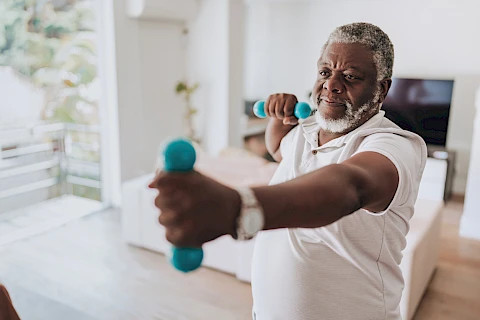
3. Lift Something Light
Strength exercises work the muscles attached to your bones and can support everyday movement. Light dumbbells and chair sit-to-stands are practical options. Start with short sessions and build gradually, following guidance suited to your abilities.
4. Build Calcium Into Ordinary Meals
Calcium helps maintain bone strength and supports bone health as you age. You can get it from familiar foods without making major changes to your diet. Yogurt at breakfast, cheese with a meal, leafy greens, and calcium-fortified orange juice are all options.
5. Mind Your Vitamin D
Your body needs vitamin D to absorb calcium. Sunlight helps your skin produce it, but production decreases with age. Eggs and fortified foods also provide vitamin D, making them useful sources as your body's ability to produce it declines.
6. Review Your Medications Once a Year
Some medicines can affect bone strength, while others may cause dizziness that increases fall risk. Bring an updated list of prescriptions, vitamins, and over-the-counter products to your doctor or pharmacist for review. If you've noticed a loss of height, mention it during a health visit, as it can sometimes be associated with spinal fractures.
Keep Up Healthy Habits with a Little Help From Senior Helpers
Maintaining bone health involves everyday habits, and having support with daily routines can make them easier to manage. Senior Helpers Redlands provides in-home care for older adults in Redlands, Loma Linda, Highland, Yucaipa, and Colton, including meal preparation, routine reminders, transportation services, and more. Contact us to learn more about support that fits your daily needs.