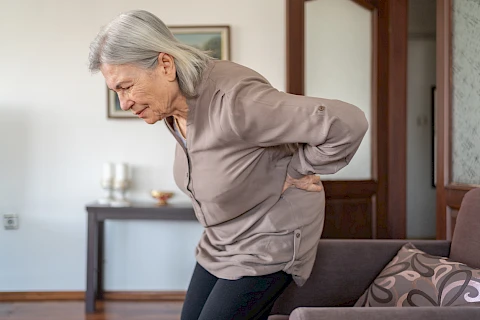
Osteoporosis weakens bones over time, often without noticeable symptoms. Women face a higher risk as they age, especially after menopause. Drawing on our experience supporting older adults, Senior Helpers explores why women are more prone to bone loss and why screening is worth discussing with your doctor.
Why Women Are More Prone to Bone Loss
Women generally have smaller, thinner bones than men, which means they often start with less bone mass. Hormonal changes also play a major part. During menopause, estrogen levels drop, causing bone loss to speed up. Women also tend to live longer than men, giving this loss more time to progress as they age.
These biological differences help explain why women are more likely to develop osteoporosis. Knowing how age and hormonal changes affect bone health can help you have a more informed conversation with your doctor about screening.
Other Factors That Can Increase Your Risk of Osteoporosis
Sex and age aren't the only things that affect bone health. Several other factors can increase the likelihood of developing osteoporosis, including:
- Family history, particularly a parent who fractured a hip.
- Low body weight or a smaller frame.
- Long-term use of certain medications, including some steroids.
- Smoking or heavy alcohol consumption.
- Limited physical activity over time.
- Health conditions that affect hormone levels or nutrient absorption.
Some risk factors, such as age and family history, can't be changed. Others may be worth discussing with your doctor during a routine appointment.
When to Discuss Bone Density Screening
A bone density test measures bone strength and helps estimate the risk of fractures. The test is quick and painless. Your doctor can help determine whether screening is appropriate based on your age, medical history, and other risk factors.
Medicare covers bone mass measurements for eligible beneficiaries who meet certain conditions. Before your appointment, make a list of questions and relevant health details. Include any fractures you've had, changes in your height, family history of bone problems, and medications or supplements you take. These details can help your doctor assess your risk and discuss possible next steps.
Everyday Habits That Help Reduce Fall Risks
Fragile bones can make falls more dangerous, so reducing household hazards is worth considering. A few practical changes can make everyday activities safer while reducing fall risks at home:
- Keep hallways and walkways clear of clutter.
- Add night lights to bedrooms, hallways, and bathrooms.
- Store frequently used dishes and household items within easy reach.
- Wear sturdy, well-fitting shoes with good traction.
- Discuss suitable physical activities with your doctor to maintain strength and balance.
Always ask your doctor before starting calcium or vitamin D supplements to find out whether they're appropriate for you.
Help With Daily Routines and Home Safety
Taking care of your health in your senior years includes making everyday activities safer and keeping up with medical appointments. Senior Helpers Redlands provides in-home support with meal preparation, medication reminders, transportation to doctor visits, and daily tasks. Our caregivers serve older adults in Redlands, Loma Linda, Highland, Yucaipa, and Colton. If you or a loved one could use extra support with daily routines while maintaining independence at home, contact us to discuss your needs.