By late September, Monterey Park homes start using more energy. Heaters come on, space heaters come out of closets, and windows stay shut. For older adults on a fixed income, that shift can turn a manageable bill into a real concern. Managing energy bills starts with simple, safe changes, while some common shortcuts can create safety risks.
Why This Matters More Than a Line Item
A cold home does more than feel uncomfortable. Older bodies have a harder time regulating temperature, and prolonged exposure to indoor cold can increase health risks, including falls and higher blood pressure.
The U.S. Department of Energy's Weatherization Assistance Program helps qualifying households improve home energy efficiency at no cost. Checking eligibility can be a useful first step in managing energy bills before spending money on gadgets.
Four Things Worth Doing
Below are some tips that can help seniors in managing their energy bills throughout the year:
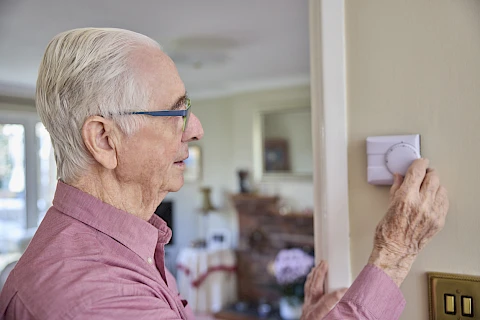
- Set the thermostat carefully. For most older adults, 68 to 70°F during the day is a reasonable target. Lower it a few degrees at night and use an extra blanket.
- Seal simple leaks. Add weatherstripping around exterior doors, a door sweep on the front door, or rope caulk around drafty window frames. Foam gaskets behind outlet covers on exterior walls can also help.
- Use appliances wisely. Run full loads of laundry in cold water and wait until the dishwasher is full. Turn off the “heated dry” setting. A small countertop toaster oven can handle many meals without heating the entire kitchen.
- Check utility programs. Some utility companies offer discount programs for income-eligible households, along with medical baseline rates for qualifying customers. A quick call can help households find out which programs they may qualify for.
Three Things to Skip
Some common shortcuts can create safety risks. When managing energy bills, here are three things to avoid:
- Don't use space heaters carelessly. Space heaters can cause house fires, especially when placed too close to furniture or other materials. Plug them directly into a wall outlet, never into a power strip. Keep at least three feet of space around the heater, including furniture, curtains, and bedding. Turn the heater off at night. Models with tip-over protection add another layer of safety.
- Don't use the oven for heat. A gas oven can release carbon monoxide when used to heat a home. An electric oven can also become a fire hazard if left open or running for long periods.
- Don't block needed airflow. Homes with gas appliances need proper ventilation. California also requires carbon monoxide alarms in certain residential settings, including outside sleeping areas. Test the alarms regularly to make sure they work.
A Simple Winter Routine That Sticks
Seniors can add layers before turning up the thermostat. Slippers with firm soles, a long-sleeve base layer, a cardigan, and a blanket can help them stay comfortable at a lower temperature.
Open south-facing curtains during the day to let in sunlight and close them at sunset to help keep the warmth inside. A heating pad or hot water bottle at the foot of the bed can also warm the bed before bedtime.
If a utility bill still feels too high, seniors in Los Angeles County can call 211 for current energy assistance options.
We Can Help Ensure Seniors' Safety at Home
Senior Helpers West San Gabriel Valley works with families across Los Angeles, Montebello, El Monte, Monterey Park, and Rosemead. Our caregivers can check the home for drafts, help seniors add warm layers before raising the thermostat, and monitor space heaters and carbon monoxide detectors to help prevent cold-weather emergencies. If steady help this winter would ease the worry, contact us to learn more about our in-home care services.