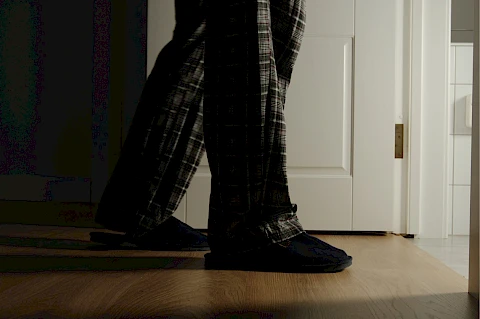
Some people naturally thrive during nighttime hours. Maybe seniors have always been night owls, or maybe their sleep patterns have shifted over the years, and they find themselves up well past midnight reading, watching television, or just moving quietly through the house. Whatever the reason, being active after nightfall is completely normal. However, home safety is essential for seniors who remain most active after dark.
June is Safety Month, and the focus at Senior Helpers West San Gabriel Valley this year is helping seniors who are up at night move through their homes safely and comfortably.
The Real Hazards That Show Up After Dark
A home that looks perfectly safe in daylight can become a different environment once the lights are off. The hallway seniors navigate without thinking in the morning requires more attention at nighttime. Shadows fall differently, and familiar paths may feel slightly unfamiliar. The things most likely to trip seniors up, such as a shifted chair, a low table edge, or a transition strip between rooms, become harder to detect without adequate light.
Home safety for seniors involves assessing hazards at home. Loose rugs are one of the most common, and they become especially risky at night when seniors can't see clearly. The safest approach is to remove small rugs from high-traffic pathways, particularly in hallways, the kitchen, and near the bathroom. Floor clutter and inadequate lighting are two of the leading contributors to falls in older adults. The clearest floor is always the safer floor.
Narrow passageways are another area to assess. If seniors' path from bed to bathroom requires squeezing around furniture or stepping over something, that path is worth reconfiguring. A clear, consistent route is easier to navigate half-awake.
Lighting Solutions for Nighttime Movement
Proper lighting is also an essential aspect of home safety for seniors. However, they don't need bright overhead lights blazing at 3 a.m. to move safely through their homes. Motion-activated night lights are one of the most practical solutions available. They turn on automatically when seniors enter a room or hallway and switch off when they leave. Placed at the base of walls in hallways, near stairs, and in the bathroom, they give seniors exactly the visibility they need without the disruption of full lighting.
Dimmer switches are worth considering for rooms where seniors spend time before going to bed. Being able to lower the lights gradually, rather than switching from full brightness to complete darkness, helps seniors' eyes adjust more gradually and reduces the disorienting effect of going from a lit room into a dark hallway.
Nightlights in the bathroom are particularly useful. The bathroom is where most nighttime falls happen, partly because it involves transitions: stepping up, stepping down, changing surfaces underfoot. Reliable low-level lighting is a simple precaution with real payoff.
If seniors live in a multi-story home, stair lighting deserves particular attention. Each step should be visible from the top, and a light switch should be accessible at both the top and bottom of any staircase.
Small Changes, Lasting Difference
A few thoughtful home safety adjustments can make nighttime hours easier and safer for seniors. Senior Helpers West San Gabriel Valley supports older adults across Los Angeles, Montebello, El Monte, Monterey Park, and Rosemead with in-home care that fits around seniors' schedules and habits. Contact us to learn how we can help seniors feel safe and comfortable in their homes, whatever the hour.