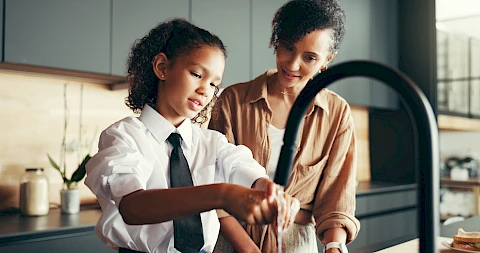
Colds and flu-like bugs arrive earlier once school starts and mornings cool off. Older adults tend to catch them faster and shake them off more slowly, and a small case can turn into a longer recovery. A few habits at home make a real difference.
Plan for Start of School
When school starts, kids bring germs home. Older adults face a higher risk from common colds and bugs. A cough, stomach bug, or fever can spread quickly through a house when children return to class. For caregivers balancing school pickup and senior loved ones’ appointments, the first sick week can feel chaotic.
Put supplies in one place. Keep tissues, soap, a thermometer, cleaning supplies, the healthcare provider's number, and a current medication list in a spot everyone can find. The CDC offers steps to reduce respiratory virus spread, which can help families prepare.
Refill them early. If possible, pick up routine prescriptions before a busy week begins. Fewer errands make room for rest when someone gets sick.
Prepare for Household Illnesses
Use the front door. Backpacks can land by the entry, followed by handwashing before snacks or homework. This small sequence helps children remember what comes next.
Clean shared spots. Door handles, remotes, faucet handles, phones, and the kitchen table deserve attention while someone is ill. Changing out of school clothes after practice can keep the day's dirt and germs from following everyone to the sofa.
Teach the basics. Cough into a tissue or elbow, throw the tissue away, and wash hands with soap and water. A simple note by the sink can help younger children follow through.
Protect a Vulnerable Loved One
Call the provider early. If your elderly loved one has a weakened immune system or a serious chronic condition, ask their healthcare provider for advice at the first sign of illness in the house.
Separate what you can. Use different cups and towels, give the sick person a place to rest, and open a window for fresh air if the weather allows. Ask your doctor about recommended vaccines and which symptoms require a same-day call.
Watch them closely. Breathing changes, confusion, dehydration, chest pain, or a fever that worries the medical team needs prompt attention. Do not wait to “see how it goes.”
Make a Backup Plan Now
Write the plan down. List who can handle a grocery run, a school pickup, or an hour with your senior if you need to take a child to an appointment. Put insurance cards and provider numbers in the same folder.
Share the plan. A neighbor, relative, or regular helper should know the precautions you are using and how to reach you.
Keep your own fuel. Eat something, drink water, and try to rest when you can. Caregiving decisions get harder when you are running on fumes.
Start Fall Right
A little preparation can keep a sick week from taking over the whole household. Contact us at Senior Helpers Kanawha Valley to discuss care support when schedules get crowded. We serve Charleston, Culloden, Dunbar, East Bank, and Eleanor. Together we can discuss a schedule that gives your senior loved one personal care and keeps a school-day surprise from becoming an all-day crisis.