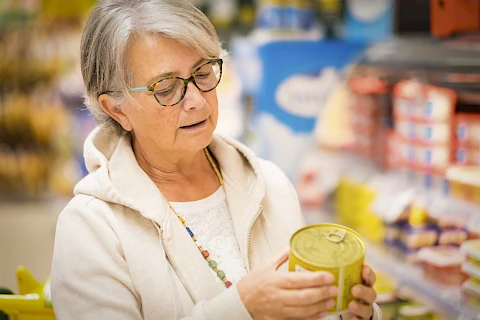
The tiny dates printed on the tops of jars, milk jugs, and bread bags are among the most confusing aspects of grocery shopping. Most of them don't mean what people think they mean. Learning the difference between a peak-quality date and a safety date can save you money and prevent you from tossing perfectly good food from your Warrenton pantry.
The Different Labels and What They Actually Mean
"Best if used by" and "best by" refer to peak quality, not safety. Manufacturers estimate when the food will taste its best. After that date, the food may lose flavor, texture, or some vitamins, but it is often still safe. Cereal a month past this date is usually fine.
"Use by" is stricter. On many foods it still refers to quality, but on baby formula it is a safety date and should be followed. "Sell by" is a signal to the store about rotation on the shelf. Not for consumers at all.
The U.S. Food and Drug Administration's food labeling guide explains this clearly.
Foods That Really Do Need to Go
Some foods have a shorter safety window, and if a family member has any question about ground meat sitting in the fridge past the sell-by date, or fresh fish that has been in there overnight, or dairy that has picked up an off smell, the honest answer is to throw it out and not think twice about the $2 saved. Ground meat within a day or two past sell-by if refrigerated properly. Dairy that smells sour, regardless of date. Any canned food with a bulging lid or a leak.
Deli meats keep for three to five days after opening. Cooked leftovers keep for three to four days, reheated to steaming. When in doubt, trust your nose. If something smells off, throw it out.
Foods That Are Fine Well Past the Date
Dry pantry staples last a long time. Pasta, rice, dried beans, and flour keep for a year or more past their printed dates, especially in a cool, dark pantry. Canned goods without dents or bulges are safe for years, though quality slowly drops. Frozen food doesn't spoil in the freezer, but flavor and texture do change over months.
Eggs are more resilient than most people believe. The float test works: place the egg in a bowl of water. If it sinks and lies flat, it's fresh. If it stands upright, use it soon, and if it floats, throw it out. Hard cheeses with a spot of mold can have the mold cut off with an inch of margin; soft cheeses should go.
Building Habits That Cut Food Waste
Keep a running list on the fridge of what needs to be eaten first. Move older items to the front when you put groceries away. Freeze bread, meat, and berries within a day or two of buying if you won't use them right away. A vacuum sealer isn't required, but a good freezer bag with air pressed out extends shelf life.
Label leftovers with a piece of masking tape and the date. Any container in the back of the fridge that you can't identify is one you shouldn't eat. Wipe out the fridge every couple of weeks; it's easier to spot what needs attention when the shelves are clean.
Careful Kitchens Across the Piedmont and Shenandoah Valley
At Senior Helpers of Warrenton and Culpeper, our caregivers help families across Warrenton, Culpeper, Woodstock, Strasburg, Luray, and Purcellville with grocery shopping, meal preparation, checking every food safety date, and the everyday kitchen routines that keep food safe and waste low. If that kind of hands-on help would take pressure off your family this fall, contact us and we'll set up a visit.