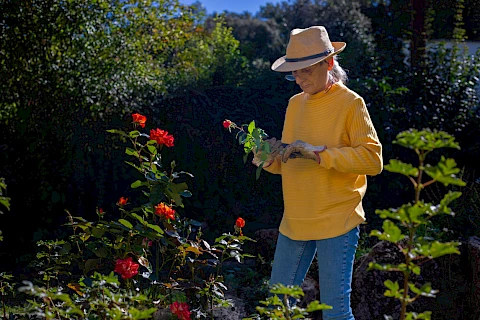
Gardening is one of those activities that rewards you on multiple levels at once. There's the satisfaction of working with your hands, the pleasure of being outside, and the payoff of watching something you tend come to life. June is a great time for gardening. The weather cooperates, everything is growing, and the longer daylight hours give you plenty of time to work at your own pace.
June is also Safety Month, which makes this a good moment to think through some of the common ways garden work can lead to minor injury and how to get ahead of them, not to discourage you from getting out there, but to help you stay comfortable so you can keep going.
Protecting your skin
Virginia summers bring two uninvited guests to most gardens: insects and sun. Ticks are active from late spring through fall. Check yourself for ticks after spending time in wooded or grassy areas, which takes only a couple of minutes and catches most problems before they develop. Long sleeves and pants tucked into socks when you're working near brush or tall grass are a practical defense.
Mosquitoes are more of an annoyance, but applying a DEET-based repellent or a natural alternative before you go out makes a real difference. For sun protection, a wide-brimmed hat and a light long-sleeved shirt keep you cooler than sunscreen alone and reduce the exposure that thinner, older skin handles less easily.
Thorny plants can puncture skin and lead to infection. A sturdy pair of gardening gloves is the simplest solution and protects against both thorns and small cuts from handling rough debris. Gloves with some grip also help when handling tools for extended periods.
Protecting your back and knees
The physical postures that gardening requires, bending, crouching, and kneeling, can be hard on the back and knees over time. The good news is that most gardening tasks can be modified without giving them up.
A kneeling pad or a low garden stool takes considerable pressure off your knees. Long-handled tools, the kind designed to let you work from a more upright position, reduce the need to bend deeply. Raised garden beds, which can be built to a height that suits you, eliminate most bending and crouching entirely and are worth considering if you have a back issue.
Working in shorter sessions with breaks is also a practical strategy. Thirty minutes in the garden, a rest inside or in the shade, and then another thirty minutes often gets as much done as working straight through and leaves you feeling better at the end.
Taking your outdoor gardening time earlier in the day, before 10 or 11 in the morning, avoids the peak heat that makes prolonged physical work harder.
Staying Safe While Gardening
Staying safe in the garden doesn't mean changing everything about how you work. It mostly means small adjustments that remove the friction between you and the activity you love. Senior Helpers Warrenton and Culpeper supports older adults across Warrenton, Culpeper, Woodstock, Luray, and Purcellville with senior in-home care that fits around your interests and your independence. Contact us to learn how we can help you stay active and safe at home this summer.