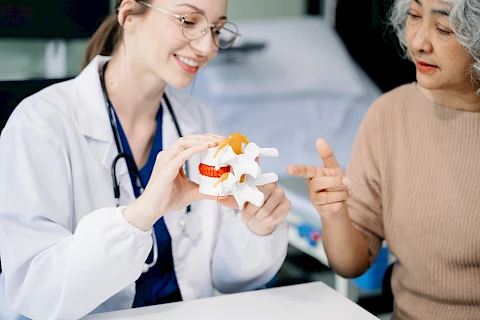
A cracked wrist after a minor stumble on the boardwalk is sometimes the first clue anyone gets. Until then, a mother or aunt can look strong and feel fine while her bones have been thinning for years. Osteoporosis in senior women is far more common than in men, and World Osteoporosis Day on October 20 is a helpful reason to learn why. Senior Helpers explains the basics a caregiver should know, and leaves the medical decisions to her doctor.
A Condition You Usually Can't See
Osteoporosis makes bones porous and more likely to break. The NIA calls it a silent disease because many people notice nothing until a bone breaks. There's no limp or cough to watch for. The NIA reports that osteoporosis in senior women affects about one in five over the age of 50, while it affects approximately one in 20 men.
Why the Gap Between Women and Men Is So Wide
Understanding how bone loss differs between men and women explains why osteoporosis is so common. It helps to know the specific factors that create this wide gap.
- Women can lose bone mass quickly for several years around menopause. The loss slows afterward but continues.
- Men experience gradual bone loss, with rates evening out between men and women by their late 60s.
- By the time a senior loved one reaches 75 or 80, she may have had decades of faster bone loss behind her.
- Low estrogen, low body weight, smoking, and a family history of broken bones increase the risk.
- Long-term use of some medications can affect bone health, and a senior loved one might be unaware of these risks.
What Caregivers Can Notice and Share
When managing osteoporosis in senior women, family caregivers are well positioned to gather details that a doctor will find useful. Keeping a simple record makes the next medical visit much more productive
- Jot down any broken bones your senior loved one has had since age 50, even the small ones.
- Note any falls or near-falls around the house.
- Note if her clothes fit differently due to height loss and if her upper back rounds when sitting, as these small changes may be overlooked.
- List all medications and supplements she takes, and bring the list to her next appointment in Virginia Beach.
- Calcium strengthens bones, but absorption decreases after menopause. Consult a doctor about her calcium intake before considering supplements.
Making Home Less Risky
To enhance a loved one's safety at home, it's vital to reduce fall hazards. A walk-through of the house can help spot potential dangers before an accident.
- Take up any loose rugs, as floors should be completely free of rugs to prevent tripping.
- Add night lights along the path from the bedroom to the bathroom.
- Check that stair railings are tight on both sides. A wobbly rail is easy to overlook when you have walked past it for years.
- Move everyday dishes and ingredients to lower shelves so they are reachable without assistance.
- Sturdy, low-heeled shoes help improve stability, even indoors.
- The CDC's fall prevention pages offer more ideas for older adults and families, and a doctor can recommend safe ways to help them stay active.
A Steady Hand for Osteoporosis in Senior Women
Senior Helpers Virginia Beach provides caregivers for companionship, light housekeeping, meal prep, medication reminders, and transportation. Our services help reduce daily risks, like falls, for older women and their families throughout Virginia Beach. Contact us to talk about support that helps your mother stay safe and active at home.