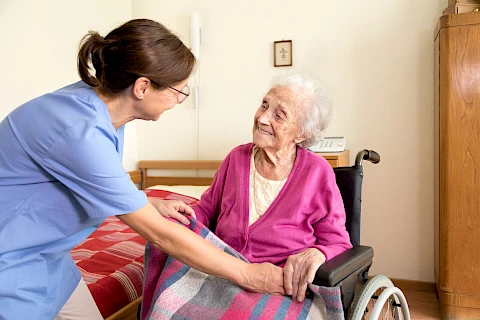
Seasonal Affective Disorder (SAD) is a type of depression that follows a seasonal pattern, typically occurring in the fall and winter months. While SAD can affect people of all ages, it's imperative to recognize it in seniors, who can struggle more to get out and socialize or exercise during the winter months. If you are a caregiver for a senior loved one, make sure you stay alert for these potential symptoms.
SAD in Seniors
Seasonal affective disorder is a type of depression that comes and goes with the seasons. It's more than just feeling a little down when the days get shorter. For seniors, SAD can be particularly challenging. As people age, they're more likely to face health challenges, loneliness, and limited mobility, making them more vulnerable to SAD. When left unchecked, SAD can significantly impact a senior's physical and mental health, exacerbating issues like heart disease or chronic pain and making other mood disorders worse.
Common Symptoms of SAD in Older Adults
When it comes to identifying SAD in seniors, it's vital to recognize the symptoms. Emotionally, seniors may experience feelings of depression, anxiety, or irritability. Physically, they may experience fatigue and changes in sleep patterns, including sleeping excessively or inadequately. Appetite changes, such as overeating or losing interest in food, are also common. Behaviorally, seniors with SAD might withdraw from social activities or lose interest in hobbies they once enjoyed. These symptoms can overlap with other conditions, making it crucial to be vigilant in observing any changes.
Risk Factors for SAD in Seniors
Several risk factors can contribute to the development of SAD in seniors. As people age, changes in their biological clock and reduced exposure to natural light can impact their mood. Reduced sunlight exposure during shorter winter days can lead to a decrease in serotonin levels, which can affect mood. Additionally, seniors may feel isolated due to limited mobility or distances from family and friends. Those with a history of depression or other mood disorders are at a higher risk of developing SAD.
Strategies for Managing SAD in Seniors
Managing SAD in seniors involves a proactive approach. Here are some strategies to help:
- Encourage regular physical activity. Simple exercises, such as walking or stretching, can help alleviate symptoms of depression. Encourage outdoor activities to increase exposure to natural sunlight.
- Maintain a healthy diet and regular sleep schedule. A well-balanced diet rich in fruits, vegetables, and whole grains can boost energy levels and mood. Regular sleep patterns help regulate their internal clock, reducing feelings of depression.
- Consider light therapy. Light therapy boxes mimic natural sunlight and can be effective in treating SAD. However, consult a healthcare professional before starting any new treatments.
- Promote social interaction. Encourage seniors to engage in social activities, whether it's participating in community events, joining clubs, or simply spending time with family and friends. Staying socially active can help reduce feelings of isolation and improve mood.
While these strategies aren't guaranteed to stave off seasonal depression, they can help relieve symptoms and maintain mental health. Of course, if you notice your loved one dealing with severe SAD symptoms, always consult with a care provider.
Provide More Care for Seniors in the Fall and Winter
Recognizing and managing seasonal affective disorder in seniors is crucial for their well-being. By understanding the symptoms and risk factors, caregivers can make informed decisions to support their loved ones. Being proactive and implementing strategies such as regular physical activity, a healthy diet, and social interaction can make a significant difference. If you are a caregiver in Irving, Dallas, or Grand Prairie and need assistance caring for a senior loved one, including help protecting mental health, contact Senior Helpers Irving for support and resources. Providing additional care during the cooler months can help seniors stay safer and healthier.