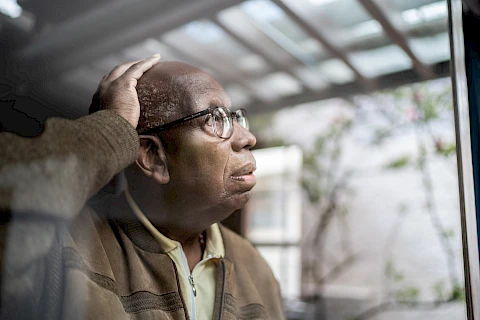
September is World Alzheimer's Awareness Month, making it a good time to learn about changes in memory and thinking. Forgetting an appointment or losing track of a word can happen with normal aging, but repeated changes that affect everyday life are worth paying attention to. Knowing the early signs can help you recognize changes and decide when it may be time to talk with your doctor.
When Forgetfulness May Be More Than Aging
Everyone forgets things sometimes. You may walk into a room and forget why you went there. You might struggle to remember an actor's name. These moments are usually part of normal aging.
What matters is a change from what is normal for you. Forgetting a familiar name once in a while is different from regularly forgetting the names of people you know well. Taking a wrong turn can happen to anyone, but getting lost on a route you have driven for years is more concerning. Repeating the same story several times in a short period is another change worth noting.
The Alzheimer's Association lists several early signs to watch for. Paying attention to changes in your own memory, thinking, and daily routines can make it easier to recognize when something has changed.
Changes in Thinking and Behavior
Alzheimer's is a memory disease, but it’s not the only area that can change with the condition. You may notice changes in how you handle everyday tasks or make decisions. Paying bills may become harder than it used to be. You might have trouble finding the right words during a conversation or lose interest in hobbies you normally enjoy.
Changes in mood or behavior can also occur. You may feel more anxious, suspicious, or withdrawn than usual. Sleep patterns can change as well. None of these changes alone means that you have Alzheimer's disease. Other conditions and life changes can cause similar symptoms. What matters is noticing changes that are new, happen repeatedly, or begin to affect your usual routines.
When to Talk with Your Doctor
If you have noticed changes that keep happening or are starting to affect your daily life, consider bringing them up with your doctor. Keep track of what you have noticed and when the changes started. This can give you a clearer picture to discuss during your appointment.
Consider bringing along someone you trust. A family member or close friend may have noticed changes that you have not. They can also take notes and help you remember what was discussed. Your doctor may ask about your health history, medications, memory, and changes in your daily routines. Early diagnosis can help people and their families plan for the future and discuss available treatment options.
Support for Seniors Living with Alzheimer’s
Paying attention to changes in memory and thinking can help you take action early. If you have noticed changes that concern you, talk with your doctor about them. If you are living with Alzheimer’s and need support at home, Senior Helpers Greater Arlington offers in-home support for seniors across Arlington, Dallas, Grand Prairie, and Kennedale, including Alzheimer’s and Dementia Care. Contact us to learn more about our care options.