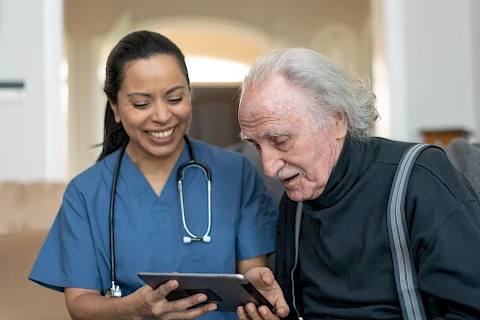
Parkinson's disease (PD) is a progressive neurological disorder that primarily affects movement, balance, and coordination. Managing PD can be particularly difficult due to the physical and emotional toll it takes, but having a strong senior support network can make a big difference. Senior Helpers explains how those with this condition can build and maintain a nurturing community to help them lead fulfilling lives.
Why Seniors Need a Support Network
A caring collective offers practical and emotional assistance to help those living with PD manage their condition more effectively. Here are a few examples:
- Provide emotional support
- Reduce feelings of isolation
- Improve physical health through shared activities
- Help reduce anxiety and stress
- Make everyday challenges feel less overwhelming
Joining Assistance Collectives
A strong senior support network creates a sense of community. Sharing personal stories in these groups helps individuals find comfort and strength. These spaces allow members to exchange experiences and advice. To find a group, consult local community centers or healthcare providers.
Exploring Online Communities
Online communities offer a world of help at your fingertips from the comfort of home. They offer 24/7 access to advice, friendship, and a lifeline from people who understand your journey. To find reputable online groups, start by looking at well-known Parkinson's organizations or health forums. When engaging in online discussions, be active and offer assistance where applicable. Share experiences, ask questions, and be open to learning from others.
Strengthening Family Communication
Families play an important role in helping someone living with PD, both emotionally and practically. Open communication helps ensure everyone understands changing needs and can respond consistently and with care. Regular family check-ins provide a space to discuss updates, share concerns, and adjust routines as needed. Caregivers should ask direct, collaborative questions about how they can help, while also encouraging their loved one to express preferences and boundaries.
Staying Socially Connected
Encourage participation in activities and hobbies that foster interaction, like joining a local book club or attending exercise classes. Local communities offer a variety of events and programs specifically designed for seniors. Maintaining friendships and building new social ties can provide joy and improve overall well-being.
Practical Tips for Building a Caring Support Circle
A strong senior support network can make daily life with Parkinson's more manageable and less isolating for both older adults and their carers. Here are a few things you can try:
- Reach out to friends, family, or neighbors and clearly share the type of help needed.
- Schedule regular check-ins to stay connected and maintain trust.
- Use technology, such as video calls or messaging apps, to stay in touch when in-person visits are difficult.
How Are You Building a Strong Senior Support Network?
A caring community is invaluable for older adults living with PD, providing emotional and physical benefits. Taking proactive steps to build and nurture this network can greatly enhance quality of life.
If you're seeking additional help, Senior Helpers Greater Arlington offers personalized assistance and resources in Arlington, Dallas, Grand Prairie, and Kennedale. Contact us and strengthen your support system today.