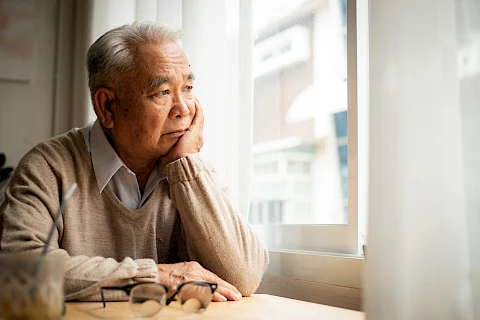
Changes in an older adult’s social habits can happen gradually, making them easy to miss. Your loved one may start declining invitations, lose touch with friends, or spend more time alone than before. Senior Helpers has outlined eight signs that may point to senior isolation, helping you recognize when your loved one may need more opportunities to connect with others.
1. Giving Up Favorite Activities
Your parent may stop attending weekly gatherings, church events, or regular outings without explaining why. They might say these activities have become too tiring or no longer interest them. Ask what has changed rather than assuming they've just lost interest.
2. Rarely Leaving Home
Your loved one may begin skipping errands or avoiding outings because driving feels stressful or getting around has become difficult. Weather, mobility concerns, and transportation challenges can also limit opportunities to socialize.
3. Losing Touch with Friends
If your parent's phone rings less often, their social circle may be shrinking. Friends may have moved away, developed health problems, or passed away, leaving fewer opportunities for regular conversation.
4. Falling Behind on Household Tasks
Unopened mail, neglected chores, or an untidy yard may suggest your loved one is struggling with daily responsibilities. These changes can also stem from physical limitations or memory problems, so consider discussing persistent concerns with their doctor.
5. Changes in Eating Habits
An almost-empty refrigerator, repetitive meals, or unexplained weight loss may indicate your parent is skipping meals or finding cooking difficult. Eating alone may also make mealtimes less appealing.
6. Paying Less Attention to Personal Care
Your loved one may shower less often, wear the same clothes for several days, or stop following their usual grooming routine. While there may be several reasons for these changes, a lack of social interaction could be one factor.
7. Going Days Without Meaningful Conversation
Ask your parent about the people they've spoken with recently. If they rarely talk with friends, neighbors, or family members, they may have fewer opportunities for regular social interaction.
8. Seeming Sad, Irritable, or Like a Burden
Your loved one may express sadness, become unusually irritable, or say they're imposing on others. Social isolation and loneliness can affect physical and mental health. One sign alone doesn't necessarily mean your parent is isolated. However, several changes that persist for weeks deserve attention and a conversation with their doctor.
Finding Ways to Reconnect
If you notice signs of senior isolation, start by asking your parent what kind of social contact they'd enjoy. A regular phone call, lunch with a friend, or visit to a local senior center may help them reconnect at a comfortable pace.
Reducing Senior Isolation Through Companionship Care
Regular companionship and practical assistance can make social activities easier to maintain. Senior Helpers Northwest Pittsburgh provides in-home senior care, including companionship, transportation to appointments, help around the house, and more. We serve Avalon, Bellevue, Ben Avon, Carnegie, and Coraopolis. Contact us to discuss companionship care for your loved one.