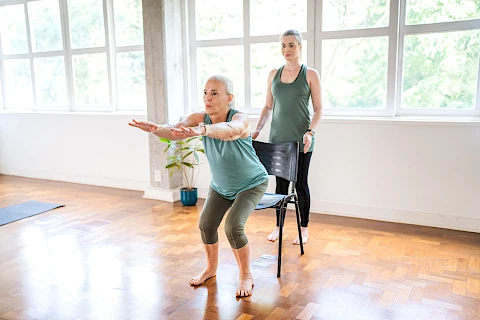
If you are the primary caregiver for a parent along the North Shore or out toward Moon and Sewickley, you already know how much a single fall reshapes a family calendar. Strength training is the most evidence-backed way to reduce that risk, and September is a fine month to start because the weather is cooling but the sidewalks are still dry. Senior Helpers shares a practical read for adult children who want a plan they can actually get a parent to try.
Why Muscle Matters More Than Balance Drills Alone
Balance depends on muscle firing on time. A stumble that was once recoverable turns into a fall when leg strength decreases by even 15 percent. The CDC's older adult fall prevention resources name strength and balance training as one of the most effective home-based approaches.
Legs come first: quads, glutes, and calves are what catch the body when a toe clips a threshold. Grip strength matters too, because a firm hand on a stair rail is another line of defense. Remember to consult with a healthcare provider before starting any fitness regimen.
Two Moves Worth Doing Every Day
Start with the sit-to-stand. From a sturdy dining chair, arms crossed over the chest, stand up and sit back down ten times. Rest a minute. Do a second set. Most older adults can build to three sets over a few weeks.
The second is a wall push-up. Hands on a wall at chest height, feet a couple of feet back, ten slow reps. This one keeps the shoulders and core involved, which matters when your parent needs to push themselves up off a bed or a low chair.
A Weekly Rhythm That Actually Sticks
Two or three focused sessions a week is enough. Ten to fifteen minutes each. Longer is not better if it leaves your parent too sore to keep going the following week. Warm up with a slow walk around the living room or a few minutes marching in place. Finish with a stretch of the calves and hamstrings, about 20 seconds each side. Rest days are part of the plan, not a break from it.
What to Watch as a Caregiver
Watch for held breath, grimacing, or a hand grabbing a counter for support during moves that were fine last week. A new symptom like dizziness after standing deserves a call to the primary care office rather than a wait.
Keep a small log on the fridge: date, what they did, and how they felt. A month of notes tells you more than memory ever will. If your parent takes multiple medications, ask the pharmacist which ones can affect balance; that conversation is free and often skipped.
Bringing In Help Without Making It a Big Deal
A caregiver present for the first few sessions makes a real difference. It initiates the routine, gives you a break, and puts a second set of eyes on how your parent is moving. Once the pattern is in place, one or two sessions a week with a caregiver is often plenty. If a parent resists, start with a walk together instead.
A Steadier Fall in Northwest Pittsburgh and Its Neighbors
Strength training is one of the few interventions where the payoff shows up quickly and the effort stays small. If you would like a caregiver present for sessions or someone to keep the routine going on days you cannot be there, the team at Senior Helpers Northwest Pittsburgh supports families across Avalon, Bellevue, Ben Avon, Carnegie, Coraopolis, and nearby areas. Contact us to talk through what would fit your elderly parent's schedule this fall.