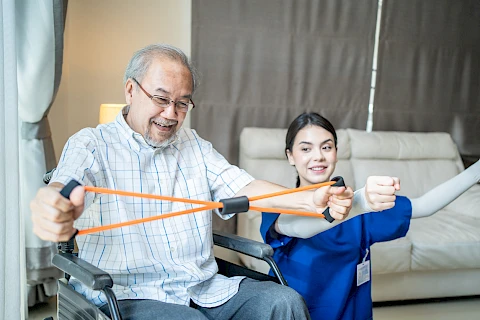
Parkinson's disease can have a profound impact on a person's life, especially when it starts to affect mobility. This condition can make even the simplest of movements difficult, leading to a decrease in independence. Thankfully, physical therapy (PT) can help manage Parkinson's symptoms.
Physical Therapy for Parkinson's
Physical therapy is a key component in Parkinson's care. The main focus of PT in this context is to address issues like mobility, balance, and coordination, which are often affected by Parkinson's. PT helps improve daily functioning so seniors can continue to perform routine tasks more easily. It is crucial to have a personalized PT plan because every person with Parkinson's experiences the disease differently. This customized approach ensures that the therapy addresses the individual's specific challenges.
Accessing Physical Therapy Services
Finding a qualified physical therapist who specializes in Parkinson's is necessary. To start, seek recommendations from your healthcare provider. Many physical therapists are trained to deal with neurological conditions and can create a suitable plan for Parkinson's care. Regarding costs, insurance often covers physical therapy. Check with your provider to understand what is covered. In the Northwest Pittsburgh area, including Avalon and Bellevue, various local resources offer PT services to seniors. Don't hesitate to reach out to these local facilities for support.
What to Expect From Physical Therapy Sessions
Understanding what happens during physical therapy can be comforting. A typical PT session for a Parkinson's patient involves various exercises aimed at improving strength, flexibility, and balance. You may start with warm-up exercises, followed by tasks that challenge your coordination and strength. Therapists often use techniques like stretching and resistance training. The physical therapist's role is to monitor progress and adjust the exercise plan as needed to ensure continued improvement.
Reinforcing Physical Therapy at Home
While clinic sessions are helpful, practicing PT exercises at home also helps. Consistency is key in managing Parkinson's symptoms effectively. Here, caregivers can make a significant difference. Encourage and remind your loved one to do their exercises regularly. You might also consider making simple home modifications, such as clearing walkways and using non-slip mats, to further facilitate mobility and ensure safety.
Why PT Matters in Preventing Complications
Regular physical therapy does more than just maintain mobility; it helps prevent complications. Falls are a significant risk for Parkinson's patients, but consistent PT can reduce the likelihood of these incidents. Success stories from local seniors in Northwest Pittsburgh often highlight the positive outcomes from regular PT interventions. These stories remind us of the difference PT can make in everyday life.
Senior Helpers Northwest Pittsburgh Can Provide Support for Caring for Seniors With Parkinson's
Physical therapy is undeniably important for those living with Parkinson's disease. It helps manage symptoms and prevent further complications, thereby maintaining independence and quality of life. If a loved one is struggling with Parkinson's, consider seeking PT services to support them. Don't hesitate to contact Senior Helpers Northwest Pittsburgh for professional support and resources in Avalon, Bellevue, Ben Avon, and surrounding areas. We are here to guide you and your family through this journey.