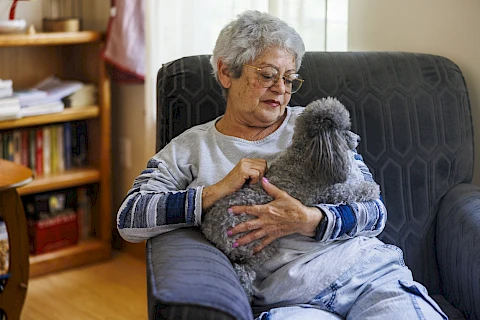
Pet therapy is gaining traction in senior care as more families and professionals recognize its emotional and physical benefits. This approach involves guided interactions with animals to support well-being, offering comfort and companionship to seniors who may be dealing with isolation. For caregivers and family members, pet therapy can be a valuable addition to a senior's daily life—helping foster a greater sense of joy, connection, and engagement.
What Pet Therapy Entails
Pet therapy includes structured interactions between trained animals and individuals to support emotional, physical, or cognitive health. In senior care settings, therapy animals may include dogs, cats, or small mammals such as rabbits. Activities may range from petting or brushing the animal to sitting quietly together or engaging in playful interaction. The goal is to create a soothing presence that helps reduce anxiety, ease loneliness, and encourage a sense of calm.
Benefits of Pet Therapy for Seniors
The emotional effects of pet therapy are among its strongest advantages. Time spent with animals can lift spirits, ease feelings of isolation, and offer a comforting sense of companionship. These nonjudgmental, affectionate interactions can help seniors feel seen and valued.
Physically, pet therapy promotes gentle movement. Whether walking a dog, tossing a toy, or simply reaching to pet an animal, these small actions help maintain coordination, strength, and mobility.
Cognitively, therapy animals can help keep the mind engaged. Recalling memories of past pets, learning about animal behavior, or participating in simple routines all provide mental stimulation, which may support memory and attention over time.
Responsibilities of Caregivers in Pet Therapy
Caregivers are central to creating a safe, positive environment for pet therapy. Their responsibilities include selecting suitable animals, monitoring interactions, and ensuring that sessions meet the emotional and physical needs of each senior. Collaborating with certified pet therapy providers can help maintain safety and provide guidance on best practices. By observing how a senior responds, caregivers can tailor future sessions to make them more enjoyable and effective.
Introducing Pet Therapy in Senior Care Settings
Before starting a pet therapy program, caregivers need to assess if it's right for each senior. Not all seniors are comfortable with animals, so recognizing their needs and preferences is requisite.
Steps to implement a pet therapy program include selecting the right animals and scheduling regular visits. Caregivers should start small and gradually increase the frequency of interactions based on the senior's comfort level.
For successful integration into daily routines, try including pet therapy during social times or as a part of regular activities like walks in the garden. Consistency is necessary for making pet therapy a beneficial part of seniors' lives.
Get Support and Companionship From Senior Helpers
Pet therapy offers a thoughtful way to enhance a senior’s life, promoting emotional well-being, encouraging activity, and stimulating the mind. With caregiver support, these interactions can become a meaningful part of daily care.
Senior Helpers Havertown proudly serves families in Havertown, Glenside, Media, and Newtown Square, offering senior care services that include companionship and wellness support. For those considering pet therapy, our team is here to help you explore safe and effective ways to introduce this enriching experience. Contact us today!