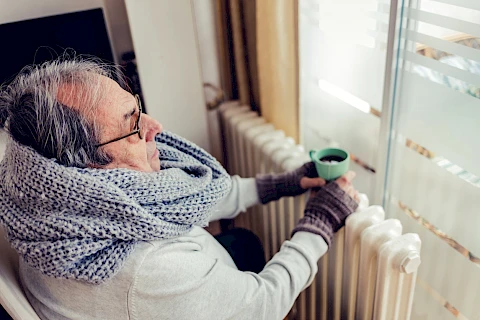
Winter can be a harsh season, especially for seniors. As the temperature drops and snow begins to fall, safety becomes a top priority. During the winter months, seniors face unique challenges that require extra precautions to ensure their safety and well-being.
Awareness and preparation help you deal with icy pathways and make sure your indoor environment is secure and warm.
Preventing Falls
One of the most significant risks during winter is the potential for falls. Here are some winter safety tips for seniors to help minimize that risk:
- Clear snow and ice from walkways and driveways on a regular basis. Using sand or salt can add traction and help prevent slips.
- Indoors, ensure that non-slip mats and rugs are used, particularly in potentially slippery areas like the kitchen and bathroom.
- Proper footwear is crucial. Shoes with good grip and support can prevent slips both inside and outside the house.
- Adding handrails and grab bars in areas such as stairways and bathrooms can provide added stability and support.
Staying Warm Indoors
Keeping warm can present a challenge, but it's essential for avoiding health issues like hypothermia or frostbite. Maintaining a safe indoor temperature is the foundation of winter comfort. Aim for temperatures between 68 and 70 degrees Fahrenheit to ensure safety and energy efficiency throughout your home. Even with proper heating, wearing layers and keeping blankets nearby provides extra warmth when room temperatures fluctuate.
Your heating system works hard during the colder months, so regular checks and maintenance are necessary to ensure it functions properly when you need it most. While staying warm, proper ventilation shouldn't be overlooked. Keep spaces well-ventilated to prevent dangerous carbon monoxide buildup from heating appliances and fireplaces, which can pose serious health risks in enclosed areas.
Preparing for Potential Emergencies
Winter weather can be unpredictable, making emergency preparedness essential for seniors living at home.
- Stock up on non-perishable foods, water, medications, and other essential supplies that can sustain you through several days if needed.
- Create an emergency contact list that's easily accessible, including phone numbers for family members, trusted neighbors, and medical professionals who can assist in a crisis.
- Communication is essential during emergencies, so make sure you have access to a reliable device, such as a fully charged phone, to remain in touch with loved ones or emergency services.
- Power outages are common during winter storms, so develop a plan that includes backup light sources like flashlights with fresh batteries and extra blankets for warmth if your heating system stops working.
Regular Home Maintenance
Regular home maintenance is relevant to safety, especially in winter. Winter safety tips for seniors include scheduling routine checks for your heating system to ensure it functions efficiently throughout the cold season. This helps prevent unexpected breakdowns when temperatures drop. Inspecting and insulating windows and doors helps keep drafts out and warmth in, reducing both discomfort and energy costs.
Working smoke and carbon monoxide detectors are basic safety devices that require regular attention. Check their batteries frequently and replace them as needed. Arrange for routine home safety assessments to identify and address potential issues before they become serious hazards, giving you peace of mind throughout the winter months.
Staying Connected
Social interaction matters for seniors' emotional and mental health in winter when isolation increases. Regular communication with family and friends provides significant connections through phone calls, texts, traditional letters, or video calls that bring faces and voices into the home.
Community programs offer excellent ways to stay involved and engaged with others. Even if in-person attendance isn't possible, many local events and activities now offer remote participation options that allow seniors to maintain their social connections and sense of community throughout the winter season.
Senior Helpers Westchester is Here to Support You
Winter safety tips for seniors encompass many aspects, from preventing falls and staying warm to ensuring regular home maintenance and staying connected with loved ones. By taking proactive steps, seniors can navigate the winter months safely and comfortably.
For personalized assistance and support, contact us at Senior Helpers Westchester. We're here to provide the care and services you need in Mount Vernon, Yonkers, New Rochelle, Bronxville, and throughout Westchester County. We would love to discuss our services for seniors and their caregivers, such as personal care and respite care.