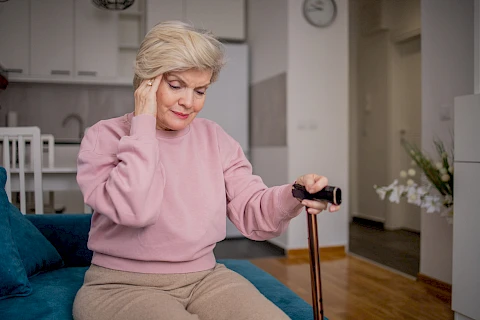
Parkinson's disease is a progressive neurological disorder that affects movement and coordination. For seniors living with Parkinson's, daily activities can become increasingly challenging. A common and often debilitating symptom of Parkinson's is fatigue, which can have a significant impact on quality of life. Managing this fatigue is critical not only for maintaining daily functions but also for overall well-being.
Fatigue in Parkinson's
Fatigue in Parkinson's is more than just feeling tired after a long day. It is a persistent sense of exhaustion that doesn't go away with rest. Unlike general tiredness, Parkinson 's-related fatigue can feel overwhelming and can affect both the body and mind.
Various factors contribute to this fatigue, including the physical demands of managing symptoms, medication side effects, and emotional stress. Recognizing and understanding these unique aspects of fatigue is the first step toward effective management.
Energy Conservation Strategies
Managing fatigue begins with conserving energy. You want to prioritize daily tasks, focus on what needs to be done, and set realistic goals. Breaking down tasks and setting limits can prevent overexertion. Incorporating rest breaks throughout the day can also be incredibly beneficial.
These rest periods allow the body to recuperate without completely stopping the day's flow. Simplifying tasks, such as using adaptive tools for dressing or meal preparation, can also help conserve precious energy.
Planning and Scheduling Activities
Having a structured routine can greatly assist in managing fatigue. Planning out daily and weekly activities helps set a pace that balances activity with necessary rest. Scheduling tasks during times of the day when energy levels are typically higher can also be useful.
For those living with Parkinson's, using tools and technology like smartphones or appointment reminders can aid in managing time effectively. Keeping a planner can help you visualize the day and allow for adjustments as needed.
Improving Stamina and Overall Well-Being
Exercise and physical therapy play crucial roles in managing fatigue and improving stamina in Parkinson's. Regular, moderate exercise can help increase energy levels and overall strength. Activities like walking, swimming, or yoga are gentle on the body while offering significant benefits.
Check with your doctor before starting any new types of exercise. Nutrition and hydration are equally important, as a well-balanced diet supports energy levels and overall health. Staying hydrated helps with bodily functions and can reduce feelings of fatigue.
Don't forget the mental aspect of well-being. Maintaining mental health through stress reduction techniques, such as meditation or deep-breathing exercises, can alleviate fatigue and improve quality of life.
Senior Helpers Westchester Supports Seniors With Parkinson's
Addressing fatigue is essential for seniors with Parkinson's to enjoy a better quality of life. When they understand fatigue, conserving energy, structuring activities, and building stamina, seniors can manage this challenging symptom more effectively. You need to seek professional guidance to further tailor these strategies to individual needs.
At Senior Helpers Westchester, we offer specialized Parkinson's care services in Mount Vernon, Yonkers, New Rochelle, Tarrytown, and throughout Westchester County. Contact us today to learn more about how we can support you or a loved one in managing Parkinson's fatigue and enhancing life quality.