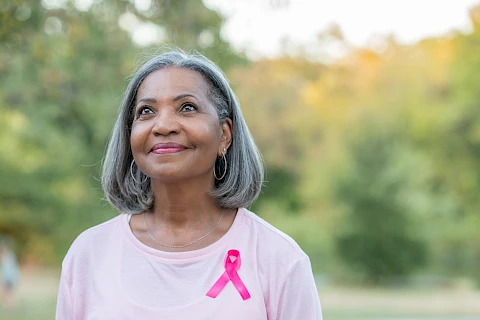
Many senior women believe breast cancer is a concern from an earlier stage of life. They may have had scares in their forties, received normal mammogram results, and stopped thinking about it. However, some of these beliefs may no longer hold true. This month offers a chance to address common myths about breast cancer in senior women using information from trusted health agencies.
The Myth That Breast Cancer Is Mostly a Younger Woman's Disease
Age is one of the main risk factors for breast cancer. The CDC's page on breast cancer risk factors identifies being a woman and getting older as key factors, noting that most breast cancers are diagnosed after age 50.
Although this may sound discouraging, women can take steps to stay informed about their breast health. Understanding the risks of breast cancer in senior women can help them make informed decisions about screening and discuss any concerns with their healthcare provider.
The Myth That No Family History Means You're Safe
Most women who develop breast cancer have no close relatives who have had the disease. A family history and inherited gene changes can increase risk, so women whose mothers, sisters, or daughters have been diagnosed should share this information with their doctors. However, having no family history does not guarantee protection.
Other factors, such as past chest radiation, dense breast tissue, certain hormone therapies, alcohol use, and reduced physical activity after menopause, can also increase risk. Women can keep a list of these factors and discuss any concerns with their healthcare provider during their next checkup.
The Myth That Mammograms Stop Mattering After a Certain Age
Screening guidelines for senior women depend on individual health needs, with no clear cutoff age for everyone. The U.S. Preventive Services Task Force recommends a mammogram every two years for women ages 40 to 74. For women aged 75 and older, current evidence is insufficient to determine whether routine screening is beneficial.
Decisions about screening for breast cancer in senior women should be made with a healthcare provider. Factors such as overall health, life expectancy, personal medical history, and individual preferences can help guide the choice. Some women in their late seventies or eighties may choose to continue screening, while others may decide to stop after discussing the potential benefits and risks with their doctor.
The Myth That a Lump Is the Only Warning Sign
Other breast changes also deserve attention. The CDC's page on breast cancer symptoms lists signs such as skin dimpling, an inward-turning nipple, nipple discharge, redness or flaky skin, and swelling or thickening in part of the breast.
Breast self-awareness means knowing what is normal in breast appearance and feel. Senior women should contact their healthcare provider if they notice any new or unusual changes. Although many changes are benign, getting them checked can help identify potential concerns, including signs of breast cancer in senior women.
Let Senior Helpers Assist Your Loved Ones During Their Screening
Subway stairs, bus transfers, and long waits can make a routine appointment feel like an ordeal. Senior Helpers New York City provides companionship, rides and escorts to appointments, reminders about upcoming visits, and help around the home during treatment or recovery. We support older adults and families in New York City, Manhattan, Brooklyn, and Queens. Contact us to learn more about our in-home care services.