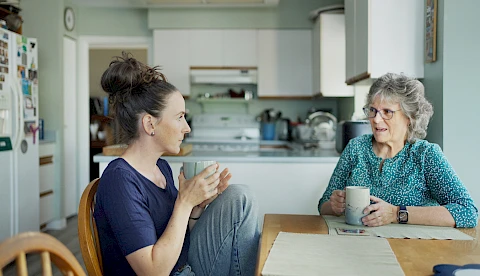
Bringing up a possible scam can feel difficult, especially when speaking with someone who has spent a lifetime managing their own affairs. Talking to seniors about scams with respect can help them feel comfortable coming to you the next time something seems wrong.
Senior Helpers Central Queens shares a few ways to approach it with respect.
Talking to Seniors About Scams Gently
Scams can affect people of all ages and backgrounds. Starting with this reminder can help ease the pressure and make the conversation feel less personal.
You can also share a scam attempt you experienced or read about before asking if your loved one has encountered anything similar. This helps make the conversation feel like two people discussing a shared concern rather than one person lecturing the other.
Choose a Quiet Moment
When talking to seniors about scams, choose a private, unhurried setting rather than bringing it up during a busy family gathering. A quiet time at home or a walk together can keep the conversation relaxed.
Hold off on bringing out evidence, too. Documents spread out on the table can feel like an ambush, however kindly they’re meant. Open-ended questions about the calls and messages they’ve been getting lately let them describe things in their words.
Listen Without Correcting Right Away
Your loved one may not be ready to call it a scam. They may have believed they were helping someone real. They may also worry that admitting a mistake will cost them some independence.
Listening comes first. Helpful things to understand include
- What happened
- How the person made contact
- What they asked for
Reflecting back what you heard, without judgment, helps your loved one feel understood rather than lectured.
If your loved one has already sent money, act quickly. Contact the bank together to report the transaction. Let them take the lead if they feel comfortable doing so.
A Plan She Helped Write
Aim for a plan your loved one agrees with and owns. Ideas include:
- A household rule about never paying anyone by gift card or wire transfer.
- A trusted person to call before sending money to anyone who reached out first.
Some parents would rather talk it through with someone outside the family. The AARP Fraud Watch Network offers support and guidance from fraud specialists. This service helps people who have been targeted by a scam and families who are worried about a loved one.
Reports can also go to the Federal Trade Commission. Checking in again a few weeks later, in a low-key way, shows you’re still on their side.
Support Across Queens Neighborhoods
A parent who has someone familiar stopping by regularly may be less vulnerable to strangers trying to scam them over the phone. Talking to seniors about scams and maintaining regular, friendly contact can provide another layer of support at home.
Senior Helpers Central Queens offers in-home care that includes companionship, help with errands and mail, and rides to appointments and the bank. Caregivers visit households in Arverne, Bellerose, Breezy Point, Cambria Heights, and Woodhaven. Contact us to ask about a regular visitor for your mom or dad.