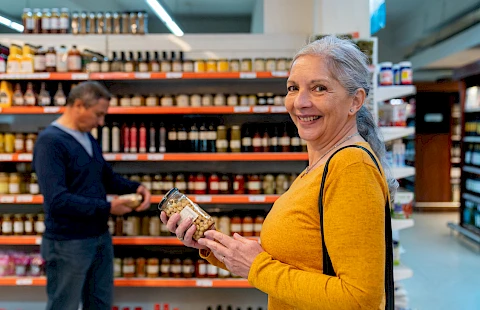
Food recalls keep popping up on the evening news this year, making you question what’s safe to eat. But this doesn’t mean avoiding fresh produce or other whole foods altogether. September is Food Safety Month, making it a good time to review simple ways to stay informed, handle food safely, and keep nutritious foods in your meals.
What a Food Recall Actually Means
Recalls sound scary because they make the news. However, it does not necessarily mean that all food of that type is unsafe. Recalls usually apply to specific products, dates, lot numbers, or growing areas. The recall notice explains which items are affected and what you should do if you have one at home.
For reliable information, check sources such as the CDC's food safety page rather than relying on posts shared on social media. You can also check recall notices when you hear about a concern in the news. Knowing where to find accurate information can make it easier to decide what is safe to keep and what should be discarded.
Handling Fresh Produce Safely
Simple food-safety habits can lower the risk of contamination in your kitchen. Wash your hands with soap and water for at least 20 seconds before handling food. Rinse fruits and vegetables under cool running water, even if you plan to peel them. Use a clean brush for firm foods such as cucumbers, potatoes, and melons. Do not use soap or other cleaning products on produce. Running water is enough.
Keep perishable produce refrigerated at 40°F or below. Store raw meat, poultry, and seafood away from foods you plan to eat without cooking. Using separate cutting boards for produce and raw meat can also reduce the chance of spreading bacteria. Wash your boards, knives, and other utensils with hot, soapy water after use.
Pay attention to changes in your food, too. Mold, unusual odors, slimy textures, or leaking packages are good reasons to throw something away. If you are unsure how long a food has been stored or where it came from, it may be safer to discard it.
Canned and Frozen Are Good Options
Canned and frozen produce are great alternatives if you are concerned about fresh options. Frozen produce is picked at peak ripeness and flash-frozen within hours. Nutritionally, it holds up remarkably well against fresh. It's often cheaper too. Frozen spinach in a soup, frozen berries in oatmeal, frozen peas in a pasta sauce are just as good as their fresh counterparts.
Canned fruits and vegetables are another option. Look for vegetables labeled with "no salt added" and fruits labeled with "packed in juice" or "packed in water". Rinse canned vegetables in a strainer to knock the sodium down further.
Remember to rotate your pantry and place newer cans behind older ones. Check cans before opening them. Throw away any can that is bulging, leaking, or badly dented, especially around the seams. When you are unsure about a food, check the recall information before eating it.
Make Planning and Preparing Meals Less Stressful with Senior Helpers
Keeping track of food recalls, checking what is in the fridge, and planning balanced meals can sometimes feel overwhelming. Senior Helpers Holly Springs can provide meal planning and preparation support as part of our in-home care services for seniors in Clayton, Fuquay Varina, Garner, Willow Springs, and Raleigh. If you’re considering additional support at home, contact us to learn more about how we can help.