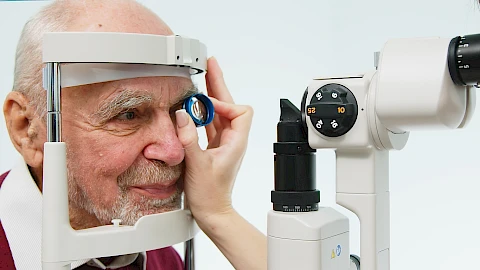
Vision often shifts slowly enough that a senior does not connect the change to anything until it starts to affect their day.
Senior vision care can help identify changes early, so blurred road signs, missed steps, or new trouble reading a menu are all worth mentioning to an eye doctor. Regular exams can catch changes while there are still good options.
Some Changes Need a Prompt Call
Act on sudden shifts. Flashing lights, a curtain-like shadow, double vision, eye pain, new floaters, or a rapid loss of sight need prompt medical attention rather than a wait for the next routine exam.
Share changes early. A senior loved one in Clayton may start missing curbs, while someone in Fuquay-Varina notices that labels blur even with glasses. Those examples help an eye doctor understand how vision affects the day.
More glare at night or a need for brighter reading light can happen with age. Sudden trouble is different. Call the office and explicitly describe what changed.
Keep Exams on the Calendar
Routine visits give a baseline. An exam can include vision testing, eye-pressure checks, and a look at the health of the eye before a problem starts changing daily activities.
Bring your current glasses. Add a list of medicines and eye drops, along with notes about headaches, nausea, pain, or recent falls that may relate to the eye concern.
The CDC's vision health information explains common conditions that can affect sight and why regular eye care matters, while your clinician can tell you how often you should return based on your own history. Ask for the timing in writing and put it on the calendar.
Give the Doctor Usable Details
Be specific with details. Note which eye is affected, when the trouble began, if it comes and goes, and what you were doing when you first noticed it.
Use examples from home. In a Garner or Apex home, write down if reading mail is harder, glare hits when you leave a dark restaurant, or a hallway looks already dim.
A family member can help keep the list, so make sure to bring it along. Details help more than saying “things look funny.”
Make Rooms Easier to See
Light the rooms you use. Add a lamp near a chair, keep stairs and walking paths clear, use high-contrast labels, and place night lights in halls and bathrooms.
Wear sunglasses outdoors. A brimmed hat can help too, and if dilating drops are planned for an appointment, arrange a ride because vision may stay blurry for several hours afterward.
Avoid moving furniture without telling your elderly loved one whose sight is changing, since familiar pathways matter. A small strip of bright tape on the first stair can help (nothing flashy, just visible).
Make reading less tiring. A larger-print calendar, brighter task lighting, and labels in dark letters on a light background can help at home. A magnifier or an adjusted phone setting may make bills and messages easier to manage.
Tell the eye doctor about any trouble with faces, steps, driving, or pouring a drink, because those daily examples point to the support that could be useful. Ask the office about low-vision resources if ordinary print or glare continues to limit your day. That can help.
Keep Sight Changes From Shrinking Your Day
Changes in vision do not have to limit familiar routines. Senior vision care can help older adults stay on top of eye health while continuing to enjoy daily activities.
We support seniors and families in Clayton, Garner, Apex, Holly Springs, Willow Springs, and Raleigh with reliable help at home. Contact us to learn about companionship and daily help.