He Thought He'd Lost the Ability to Read. Then One Caregiver Helped Him Find it Again.
When caregiver Sandy Knudson first met Robert F., the newspaper was never far away. But whenever she offered to read it with him, he declined.
Diagnosed with dementia a few years earlier, Robert had gradually stopped doing some of the simple things that once brought him joy, including reading. Still, Sandy kept asking. Each visit, she offered to sit down with him and read the paper together.
It wasn't until Sandy took an interest in some of Robert's other hobbies, including boxing and weightlifting, that he began to open up. Sandy studied boxing terminology and even let Robert teach her a few moves, including jabs, crosses and hooks. As their relationship grew and trust developed, Robert eventually agreed to give reading a try.
At first, Robert would mark the articles that interested him, and Sandy would read them aloud. Over time, she encouraged him to take turns. That's when Robert discovered something important: he could still read.
"It was never about getting Robert to read again. It was about getting to know him, finding out what interested him and building that trust," Sandy explained. "Once he felt comfortable, he was willing to try. Seeing him realize he could still read and watching that confidence grow has been amazing."
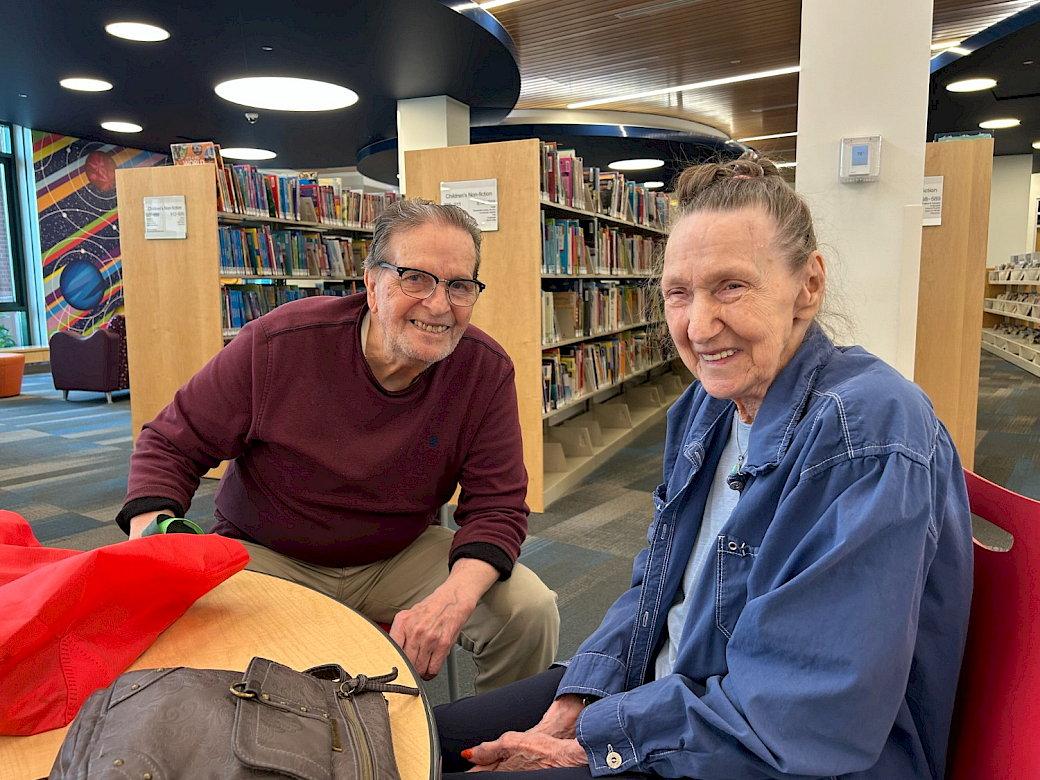
From there, their reading routine grew. The pair moved on to books around Robert's home, including one about the Battle of Gettysburg. When they finished it, Sandy suggested a trip to the library to find more historical books.
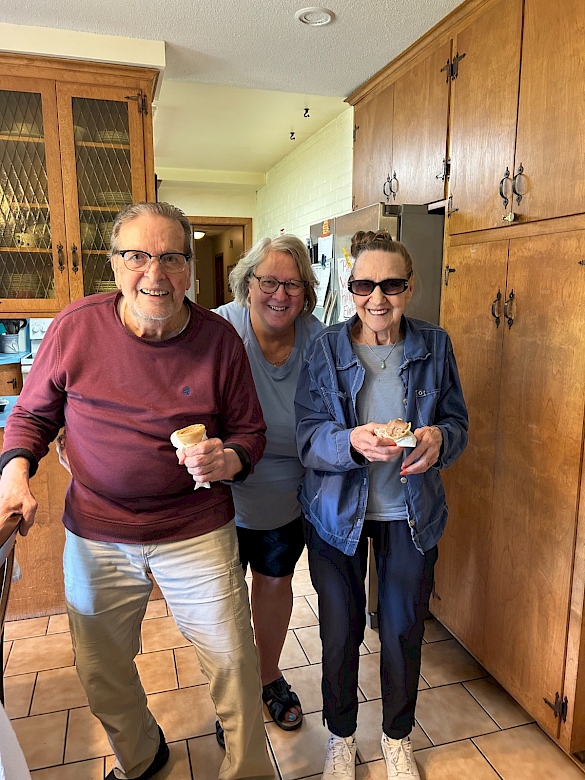
Now, library visits are a regular part of their routine. Sandy says they've read books about every major U.S. war. The outings have even become something Robert can enjoy with his wife, Marjie. After choosing their next books at the library, occasionally, Sandy will take them for ice cream cones at Dairy Queen.
For Robert's son, Robb, and daughter-in-law, Jennie, the difference has been just as meaningful.
Before connecting with Senior Helpers, Robert lived with them. Eventually, balancing work and Robert's care became difficult to sustain on their own. They needed support, not because they wanted to do less for Robert, but because caring for a loved one can be difficult to manage alone.
With Sandy's support, they began to see a noticeable improvement in Robert's mood and quality of life. Just as importantly, they finally had room to breathe. Having a caregiver they could trust meant Robb and Jennie no longer had to carry every aspect of Robert's care themselves. They could focus on specific needs while knowing he had support from someone who understood him and the things that mattered to him.
This kind of support can make a meaningful difference for family caregivers, too. Respite care gives family members time to rest, work, manage other responsibilities or simply recharge, knowing their loved one is in caring hands. That breathing room can help families sustain their caregiving role while making space for their own well-being.
"Sandy has made such a huge difference in Robert's life," Jennie said. "She's helped him reconnect with things he loves and brought so much joy into his days, but she's also become so much more than a caregiver to our family. She's been there for some of our biggest moments, from our wedding to birthday celebrations, and she's included us in special moments in her own family, too."
Every person living with dementia has their own story, interests and abilities. Senior Helpers' Senior Gems® program takes a person-centered approach to dementia care, helping caregivers better understand each individual and support their abilities, preferences and quality of life throughout the journey.
Whether your family is navigating a new dementia diagnosis or needs additional support with day-to-day caregiving, you don't have to figure it all out alone. Senior Helpers can help you explore personalized in-home care and respite care options that support your loved one while giving family caregivers the time and peace of mind they need, too.
Not sure what kind of support your family needs? Take our "Is Home Care Right for Me?" quiz to help you determine what comes next.