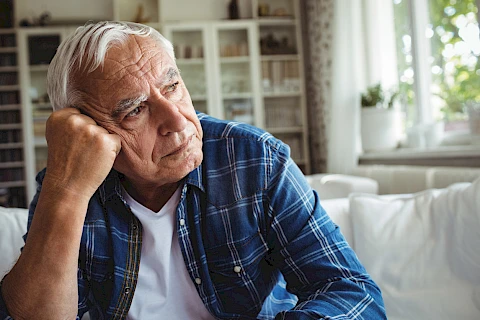
October marks Anxiety Awareness Month, a time dedicated to addressing anxiety in people of all ages. Seniors may experience anxiety differently than younger individuals, which can make it more difficult to detect. For caregivers and family members, being aware of these patterns allows for the right kind of support and helps improve day-to-day comfort for seniors.
Why Anxiety Often Looks Different in Older Adults
Anxiety in seniors is common. It affects many seniors but often goes unnoticed or is mistaken for other age-related issues. Seniors might not express their anxiety as openly as younger people, making it harder to identify. While younger individuals may openly discuss feeling anxious, seniors might show anxiety through subtle physical symptoms or changes in behavior instead of words.
Common Signs of Anxiety in Seniors
Recognizing the signs of anxiety in seniors is the first step to offering help. Physical symptoms may include fatigue, restlessness, and sleep disturbances. Some seniors may frequently mention feeling tired or talk about difficulties sleeping through the night.
Emotionally, anxiety may appear as irritability or ongoing worry. They might seem more prone to mood swings or become overwhelmed by daily concerns. These changes can come across as frustration or nervousness about simple decisions.
Behavioral shifts are also worth noting. Seniors might withdraw from social activities or avoid doing things they once enjoyed. Some may start skipping family events or say no to favorite pastimes without explaining why.
What Can Lead to Anxiety in Seniors
Several factors contribute to anxiety in seniors. Health-related issues play a significant role. Chronic illnesses or the side effects of medication can exacerbate feelings of anxiety. Life changes such as losing a loved one, retirement, or relocating can make seniors feel unsettled and anxious.
The cognitive decline also adds to the anxiety, as seniors may fear becoming dependent on others. Worries about memory loss or confusion may lead to increased feelings of vulnerability.
Strategies for Supporting Seniors With Anxiety
Caregivers can offer steady support by listening carefully and inviting open conversations. Giving seniors time to talk about their feelings—without rushing them—can help ease some of the tension they may be carrying. Letting them know it’s okay to feel anxious at times can help reduce shame or fear around the topic.
Encouraging a consistent routine that includes movement and nutritious meals can help maintain emotional balance. Even small changes, like going for a walk or sitting down for a healthy lunch together, can gently improve their outlook.
Simple relaxation techniques can also make a difference. Practices such as deep breathing, gentle stretching, or listening to calming music are easy to learn and don’t require special equipment. These can be used anytime anxiety starts to build.
If anxiety grows more intense or persistent, speaking with a mental health professional may offer additional support. Therapists or counselors can suggest ways to manage these feelings that are tailored to each person’s experience and comfort level.
A Trusted Hand When You Need One
Noticing anxiety in seniors and finding ways to respond with care can make daily life easier for everyone involved. Small steps and thoughtful gestures help build trust and reassurance. For those looking for helpful resources or professional caregiving services in Macomb, Port Huron, Utica, Richmond, or New Baltimore, Senior Helpers Richmond is here. Our experienced and compassionate team offers Personal Care, Companion Care, and support designed with both seniors and their caregivers in mind. Contact us today to learn more.