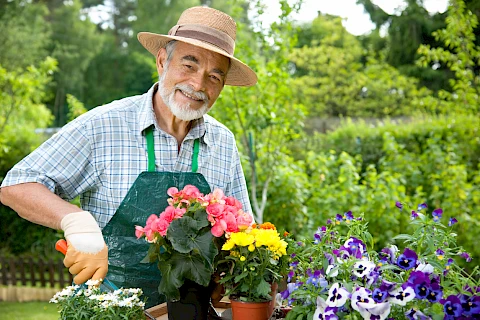
Gardening is a source of joy for many people, offering moments of peace, creativity, and a rewarding connection with nature. Gardening can be a fantastic way for seniors to lift spirits, stay active, and enjoy some fresh air. But what if moving around isn't as easy as it used to be? That's where adaptive gardening comes in. It focuses on providing solutions for seniors with limited mobility, ensuring everyone can participate. Adaptive gardening can make a world of difference for seniors and their caregivers.
The Benefits of Gardening for Seniors
Gardening is more than a hobby—it's a boost for both body and mind. Physically, it helps improve strength, endurance, and agility. The gentle movements involved in gardening promote better cardiovascular health without overwhelming the body. Mentally, engaging with soil and plants can reduce stress, improve mood, and increase overall happiness. There's a profound sense of accomplishment in watching your efforts bloom and grow. Gardening is also a social activity. Whether joining a local gardening club or swapping tips with neighbors, it offers valuable social engagement that brightens one's days.
Vertical Gardens: Maximizing Space and Accessibility
When mobility is limited, vertical gardening is a brilliant solution. It involves growing plants upwards rather than outwards, making them easier to reach. This method saves space and can transform a small porch, balcony, or yard into a lush garden. Setting up a vertical garden is simple: use wall-mounted planters, stackable pots, or trellises. Consider growing plants like tomatoes, herbs, or strawberries, which do exceptionally well vertically. These gardens are not just practical, they're visually appealing, too!
Accessible Garden Layouts: Designing for Ease
Plan a garden that meets mobility needs. An accessible garden makes activities enjoyable and safe. Raised beds and container gardens are excellent options. They bring plants to a comfortable height, reducing the need to bend over. When designing these spaces, think about easy-to-navigate pathways. Wide, flat, non-slip paths are ideal, allowing safer movement around the garden.
Lightweight Tools: Making Gardening Easier
The right tools can make gardening more accessible and enjoyable. Look for ergonomic, lightweight tools designed specifically for people with limited strength. Rubberized handles, adjustable lengths, and tools like telescopic pruners reduce strain on hands and joints. Replacing heavy equipment with these user-friendly alternatives can make gardening a pleasure again. Keeping tools clean and well-maintained ensures they continue to perform well and minimizes the effort needed for gardening tasks.
Seated Gardening Options: Comfort and Convenience
For many seniors, seated gardening is the perfect way to stay comfortable while nurturing plants. This method involves working from a seated position, using raised beds or tall planters easily reached while sitting. Creating a setup with a comfortable chair or garden stool reduces back and leg strain. Adaptive gardening tables and benches are widely available, offering great flexibility. They provide flat surfaces for potting and planting, keeping everything within arm's reach.
Seek Assistance and Care From Senior Helpers Laurel
Adaptive gardening techniques offer seniors a way to continue enjoying a beloved activity, enriching their lives physically, mentally, and socially. With options like vertical gardening, accessible layouts, lightweight tools, and seated gardening, every individual can find a comfortable and fulfilling way to garden. Seniors and their caregivers are encouraged to explore these techniques not just as a hobby but as a meaningful path to wellness and joy. For residents in Annapolis, Crofton, Edgewater, Beltsville, and Greenbelt, Senior Helpers Laurel is here to provide support and guidance. Contact us to learn more about how our personalized in-home care services can help you or your loved ones better enjoy the benefits of adaptive gardening.