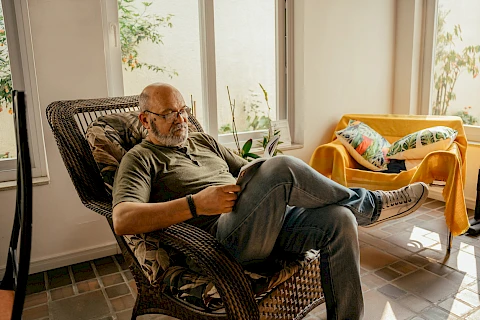
June is National PTSD Awareness Month, and for families caring for an older adult who has lived through trauma, this time of year carries a particular kind of reflection. PTSD in seniors is more common than often recognized, and sudden sounds, specific smells, or even a change in routine can bring distress to the surface. A thoughtful home environment can reduce those moments and make daily life feel genuinely safer.
Establishing Routines to Manage Triggers
The physical space where your loved one spends most of their time shapes their sense of safety in ways that are easy to overlook. Unpredictability is one of the biggest contributors to PTSD-related distress: unexpected loud noises, unfamiliar visitors, sudden schedule changes. The more the home environment provides consistency and calm, the more effectively it works against those triggers.
Here are some helpful practical adjustments:
- Keep the entryway clear and well-lit so your loved one can see who's arriving.
- Use a doorbell notification rather than a sudden knock, if possible.
- Establish a consistent schedule for visitors and care providers to reduce unexpected intrusions.
- Identify what sounds or situations tend to cause distress. Television news playing at high volume, for example, is a common but addressable trigger.
Creating a Calm Space
A designated quiet area, even a single chair by a window or a bedroom corner with familiar objects nearby, gives your loved one a reliable place to retreat when they feel overwhelmed. This doesn't need to be elaborate. Familiar photographs, a soft blanket, a few favorite books, music they associate with peaceful times. The point is predictability and personal meaning.
Lighting matters more than most people expect. Warmer, softer light creates an environment that's easier to relax in. If your loved one's home has windows facing a garden or a quiet street, those views can be calming during difficult moments.
Supporting Treatment and Professional Care
A supportive home environment works alongside professional treatment. Ask a therapist or healthcare provider what you can do at home to explore your options. Care providers are usually glad to give concrete suggestions.
PTSD is treatable, and a referral to a mental health professional with experience working with older adults can be a significant turning point.
Self-Care for Caregivers
Caregiving for someone with PTSD carries its own emotional load. Navigating unpredictable moments and absorbing your loved one's distress needs to be acknowledged to maintain your physical and emotional well-being. Respite care, even a few hours a week, gives you space to recover. A caregiver support group can provide practical advice and a place to be honest about how you're doing.
Create a Supportive Home Environment
A calm, consistent, thoughtfully arranged home is one of the most direct things you can offer a loved one managing PTSD. If you live in or around Crofton, Gambrills, Odenton, Edgewater, or College Park, contact us to discuss how our team can support you or your senior loved one at home. Senior Helpers of Laurel provides caregivers and their families with in-home care that prioritizes safety, comfort, and dignity.