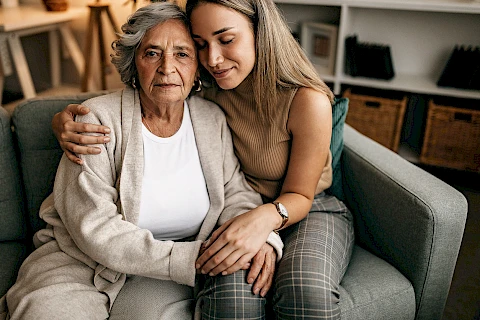
What to Do if You See Signs of Anxiety in a Senior Loved One
May is Anxiety Awareness Month, and for many families caring for an older relative, it's a subject that comes up more often than people expect. Anxiety in seniors is common, often overlooked, and very treatable. Understanding what it actually is, and knowing how to respond when you see it in someone you love, can make a real difference.
Distinguishing Between Stress and Anxiety
Stress is a response to a specific pressure; it typically eases once the situation changes.
Anxiety is different. Clinically, it involves persistent worry that doesn't resolve when a trigger passes, and it often latches onto things that may not pose a real or proportionate threat. In older adults, anxiety frequently shows up as increased irritability, rigid adherence to routines, withdrawal from activities, or physical complaints like stomach upset or heart palpitations rather than direct expressions of worry. That overlap with other age-related conditions is one reason it is so often left unaddressed.
Signs to Watch For
If you notice any of the following, they may reflect anxiety rather than a personality change:
- Repeatedly asking the same questions about safety, appointments, or health
- Worry about unlikely or uncontrollable situations
- Strong resistance to even minor changes in routine
- Avoiding activities or places they previously enjoyed
- Sleep difficulty or waking early with racing thoughts
- Physical complaints, especially stomach problems or muscle tension, without a clear medical explanation
None of these signs confirms a diagnosis on its own, but all are worth a professional's attention.
How to Bring It Up
Starting the conversation is often the hardest part. A direct approach works better than dancing around the subject. Sit down at a calm moment and be specific: "I've noticed you seem to be worrying a lot more lately, and I want to make sure you're okay" opens the door without making anyone feel accused or examined.
Listen more than you speak. Acknowledge feelings before offering solutions. The goal of a first conversation is simply to open the door.
It is helpful to check information about anxiety in older adults that can help you prepare for these conversations and understand what professional treatment looks like.
Encouraging Professional Support
A primary care physician is an important first step. Encourage your loved one to bring up their worry and sleep patterns at their next appointment, or offer to accompany them if they're comfortable with that. A doctor can rule out physical causes.
Cognitive behavioral therapy has strong evidence for treating anxiety in older adults and typically doesn't require long-term treatment. For seniors with limited mobility, telehealth has made mental health support far more accessible.
Daily Interaction
Beyond professional care, routine and connection go a long way. Regular meals, predictable schedules, and consistent contact with people who care about them help anxious seniors feel anchored. Speaking calmly and avoiding minimization during difficult moments matter significantly.
We’re Here to Help
The well-being of a senior loved one is of the utmost importance to their family. We're here to help you with compassionate, personalized in-home care that supports both physical and emotional well-being. Senior Helpers Laurel serves the areas of Crofton, Odenton, Edgewater, Annapolis, and College Park. Contact us to learn more about our services.